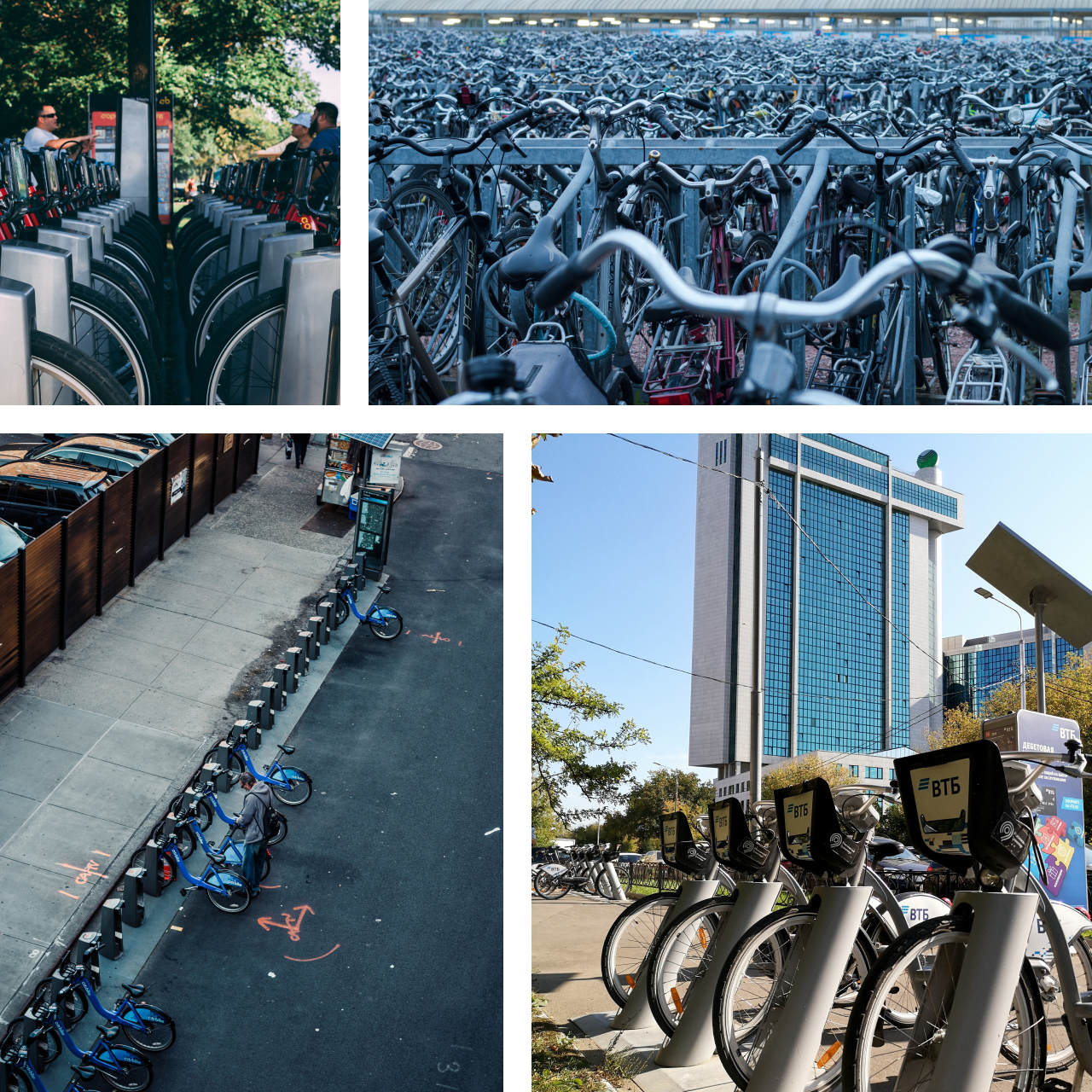
Bike-sharing not only offers an eco-friendly transportation alternative but enhances public health, reduces traffic congestion, and improves air quality - Matthew Baldwin, European Union
Siemens Mobility, a key player in Lisbon's bike-sharing ecosystem, embarked on an innovative collaboration with FullCycle to revolutionize bike-sharing in Lisbon. Leveraging Siemens' operational experience and insights into user engagement and maintenance, the project aimed to enhance urban mobility and win a public tender by creating a user-friendly and integrated bike-sharing experience.
Siemens Mobility, a key player in Lisbon's bike-sharing ecosystem, embarked on an innovative collaboration with FullCycle to revolutionize bike-sharing in Lisbon. Leveraging Siemens' operational experience and insights into user engagement and maintenance, the project aimed to enhance urban mobility and win a public tender by creating a user-friendly and integrated bike-sharing experience.
The challenge was to design and manufacture bike-sharing stations that were intuitive, durable, and seamlessly integrated into the urban environment. The project needed to address the need for robust materials, a user-friendly interface, and a scalable design that could withstand the city's dynamic weather conditions. All this had to be achieved within a two-month timeframe, a period when most factories were closed for summer.
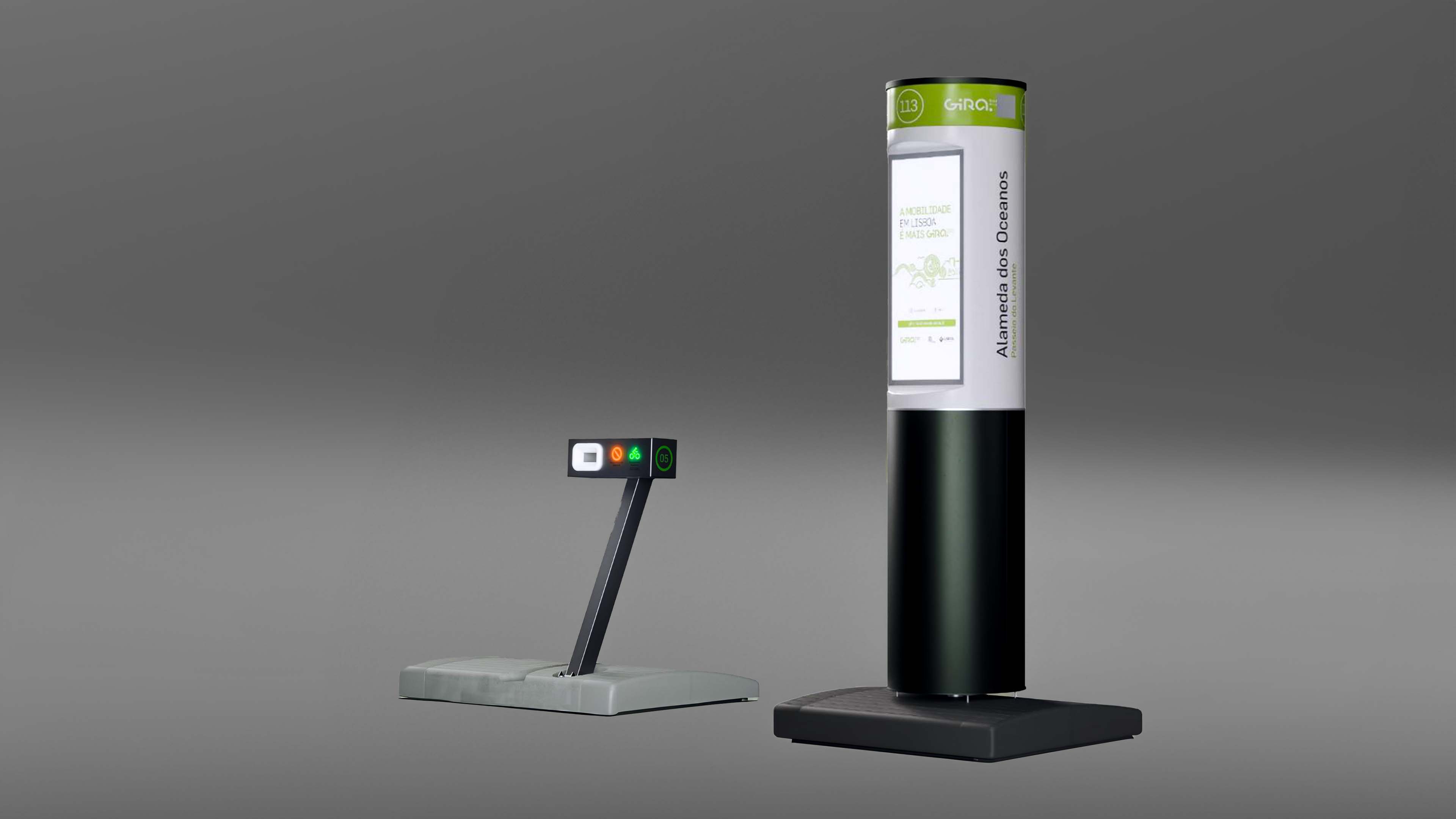
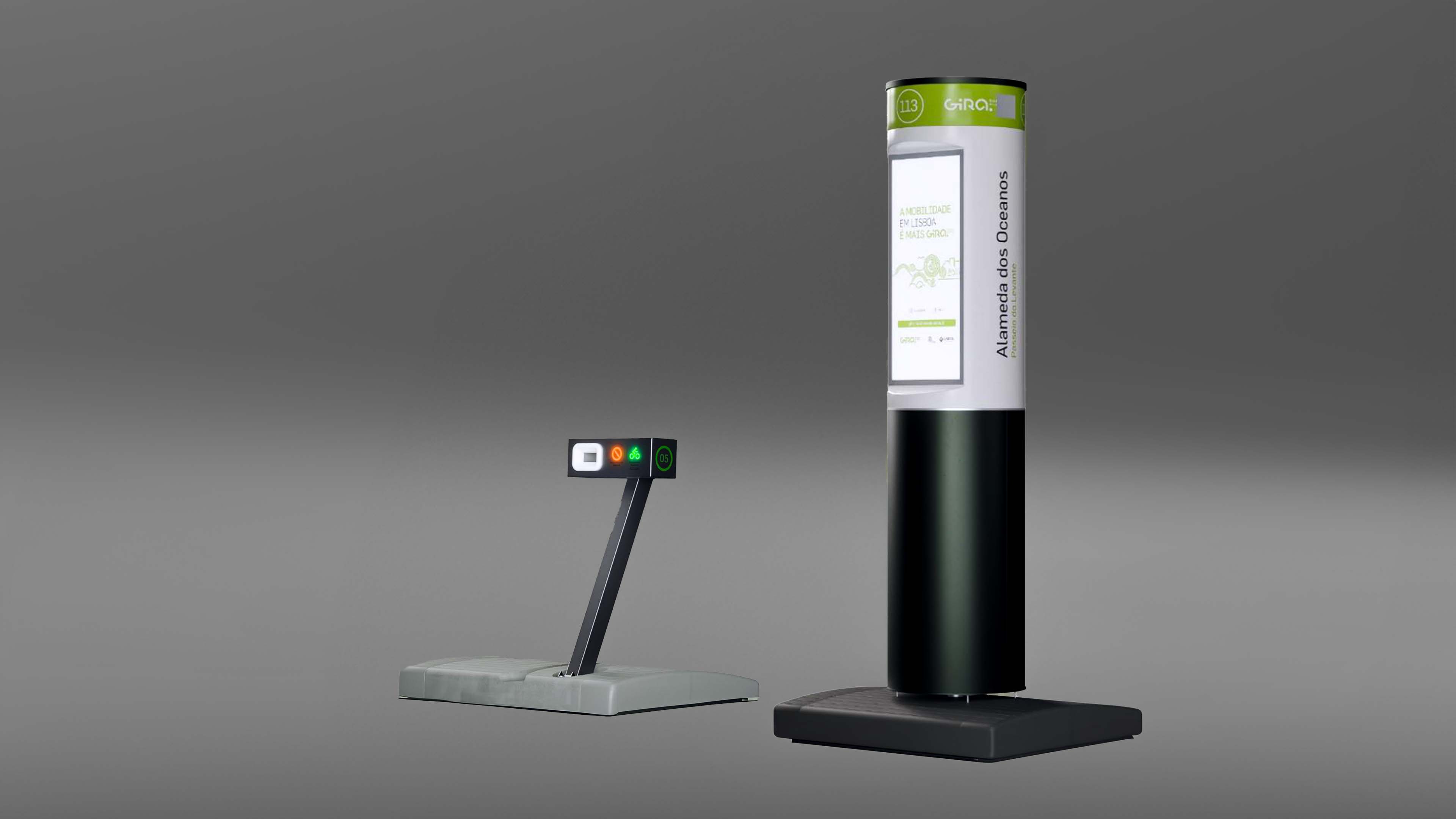
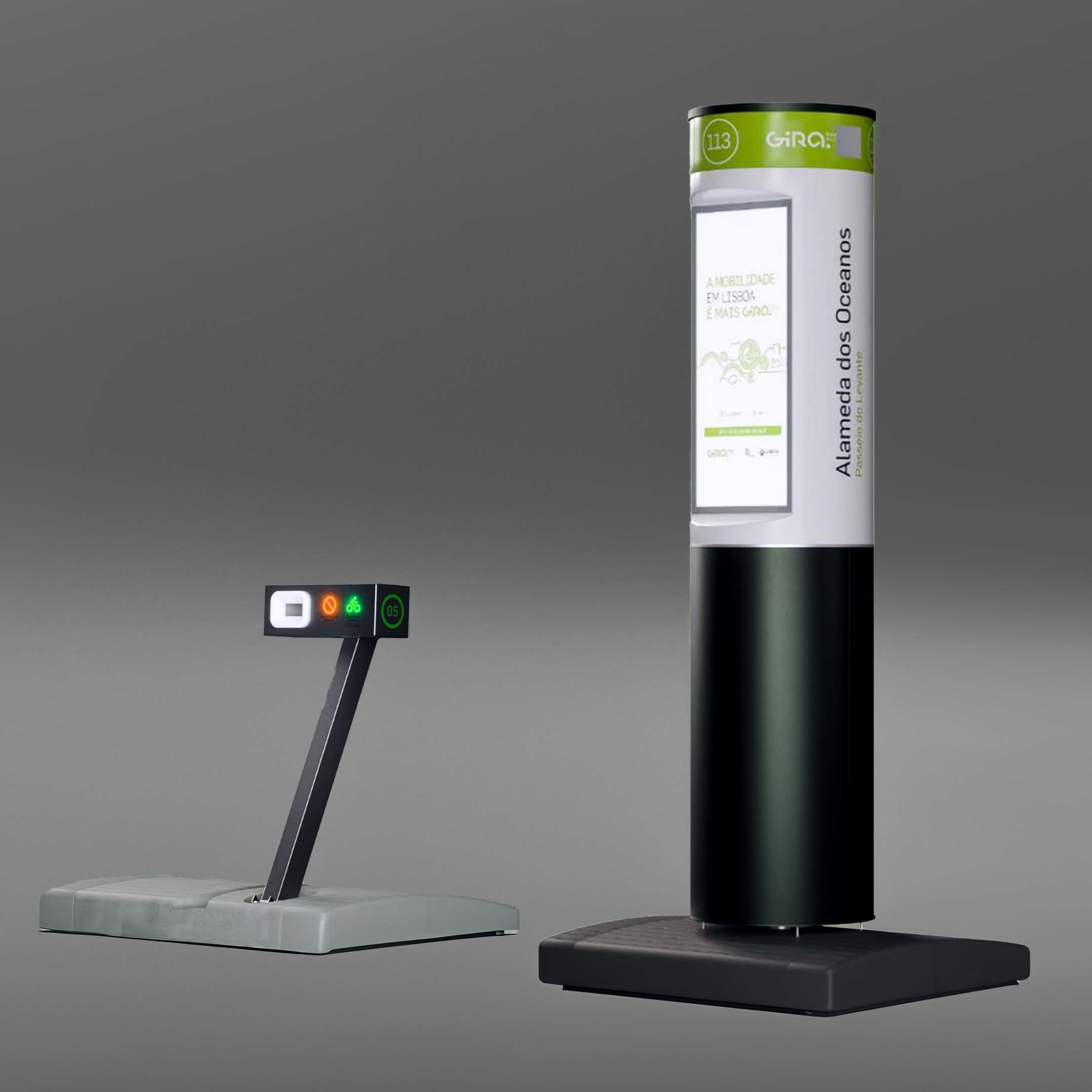
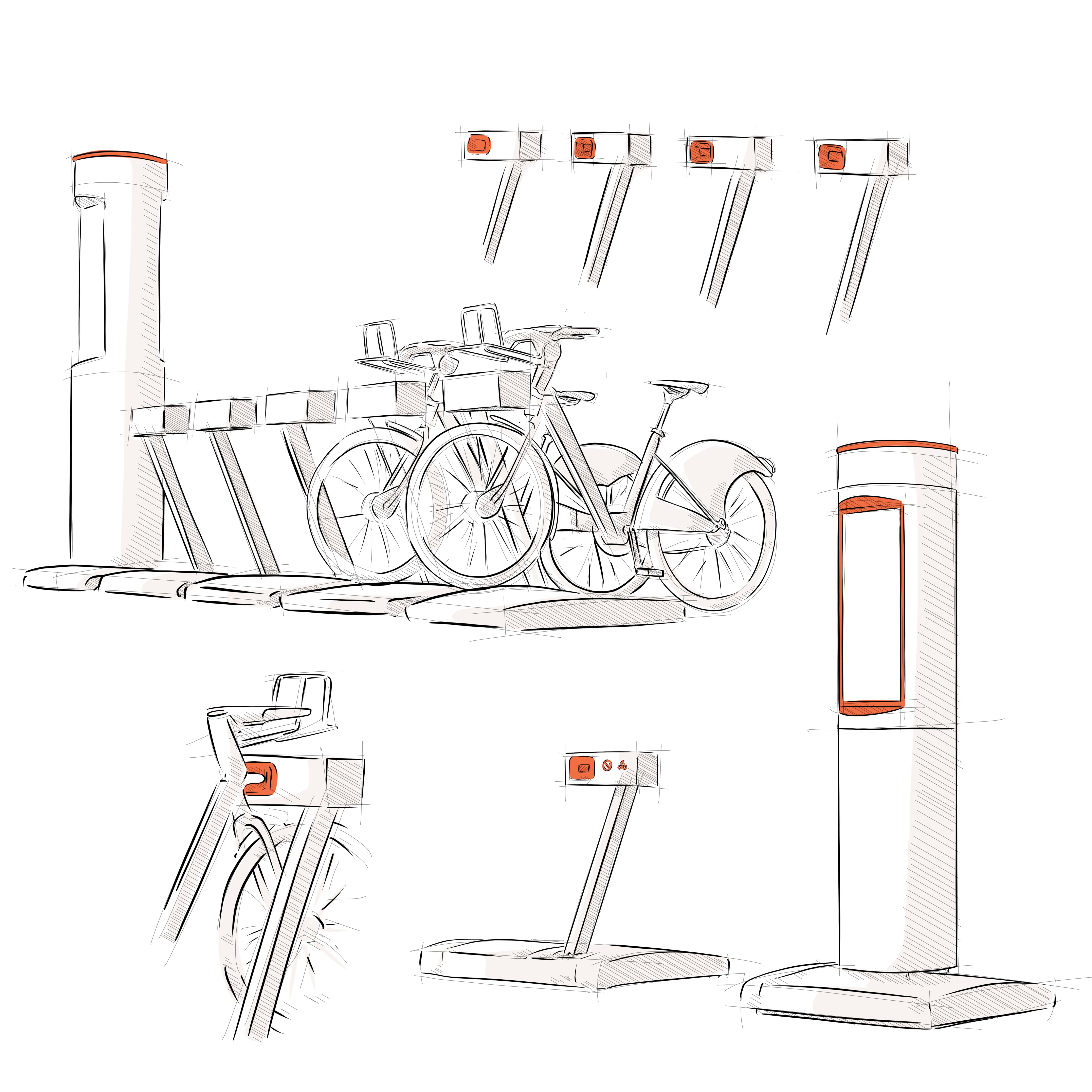
The solution entailed the design of bike-sharing stations to fit existing city infrastructure, with enhanced security features to prevent theft and vandalism. Materials were chosen for durability and weather resistance, with an intuitive lighting system for user interaction. The totem system was optimized with LED screens for adaptability and new business verticals, ensuring a design that was both aesthetically pleasing and scalable for future expansion.
The challenge was to design and manufacture bike-sharing stations that were intuitive, durable, and seamlessly integrated into the urban environment. The project needed to address the need for robust materials, a user-friendly interface, and a scalable design that could withstand the city's dynamic weather conditions. All this had to be achieved within a two-month timeframe, a period when most factories were closed for summer.
The solution entailed the design of bike-sharing stations to fit existing city infrastructure, with enhanced security features to prevent theft and vandalism. Materials were chosen for durability and weather resistance, with an intuitive lighting system for user interaction. The totem system was optimized with LED screens for adaptability and new business verticals, ensuring a design that was both aesthetically pleasing and scalable for future expansion.