Gira - Lisbon Bikesharing

introduction

In the bustling city of Lisbon, a new chapter in urban mobility unfolds with the Gira bike-sharing system. This case study chronicles the journey of Siemens Mobility and the industrial design agency 3DWays, who, in the heat of summer when factories wind down, embarked on an ambitious project to reimagine bike-sharing. Against the ticking clock, the collaborative teams aimed to engineer not just a product but a seamless urban experience. This document delves into the intricate process of transforming a concept into a winning solution, manufactured with precision, ensuring unparalleled usability to triumph in a highly competitive public tender. It's a tale of innovation, rapid prototyping, and strategic design culminating in a 3.5 million euro contract victory, and a 1 Billion dollar exit, setting a new standard in the field.

project context

Siemens Mobility, already a pivotal force in Lisbon's bike-sharing ecosystem through its operational roles, embraced the challenge to amplify its impact. This audacious team, nestled within Siemens' larger framework, was driven by a vision to not just participate, but to lead and innovate in the nascent field of bike-sharing. They brought with them a wealth of knowledge, from the granular intricacies of daily maintenance to the broader strokes of user engagement. Their mission was clear: to enhance the rider's journey and streamline the day-to-day functions of bike-sharing services. Leveraging this insider's perspective, Siemens' team, characterized by their daring spirit and forward-thinking approach, set out to revolutionize the bike-sharing experience. They tapped into their deep well of operational data and user feedback, extracting key insights that would inform the design and functionality of the new stations. This project was not just about winning a public tender but about setting a precedent for the future of urban mobility. The successful outcome of this project was a testament to the team's innovative mindset and their collaborative synergy with 3DWays. Together, they delivered a proof of concept that resonated with the needs of the modern city dweller and the operational efficiency Siemens sought. It was a culmination of their collective expertise, a transformative step that not only won the public contract but also laid the groundwork for Siemens' future endeavors. This achievement was a catalyst for Siemens' evolution within the mobility landscape. The birth of Yunex Traffic, a new Siemens company that quickly exited to Atlantia Group for more than one billion dollars, has part of its genesis in the success of this project. It was a triumph that echoed Siemens' commitment to emerging markets and marked the value of innovation in transportation. The Lisbon bike-sharing project was not just a win for Siemens and 3DWays but a leap forward for urban mobility, signaling a new era of interconnected and intelligent transportation solutions.

problem
statement

Siemens Mobility, tasked with the enhancement of Lisbon's bike-sharing program, faced a multifaceted challenge. While they had a profound understanding of the operational hurdles, the goal was to innovate beyond mere functionality. The stations had to be crafted with precision, incorporating over 30 different metal and plastic components to ensure durability, user-friendliness, and a seamless integration into the city's fabric. The design had to be intuitive, inviting, and maintain a high standard of quality to withstand the rigors of daily use. It was crucial to transcend the traditional bike-sharing models and create a system that would resonate with the public and the city's vision for sustainable mobility. The problem lay in the execution of this vision within an extraordinarily tight two-month window during the summer closure period of most factories. It demanded a rigorous, accelerated development cycle from concept to prototype to final product, ensuring each station would be not only operational but also a leading contender in the public tender. This was an ambitious leap from the operational expertise Siemens possessed to groundbreaking design and manufacturing innovation.

project scope

  • Functionality
  • Technological integration
  • Optimized maintenance/operations
  • Durability and Theft Security
  • User experience
  • Scalability

requirements

  • Security against theft and vandalism
  • Robust materials for high durability
  • Streamlined design for urban integration
  • User-friendly interface and accessibility
  • Minimal maintenance requirements
  • Compatibility with existing city infrastructure
  • Quick and efficient docking and release mechanisms
  • Cost-effective production and assembly processes
  • Compliance with safety and regulatory standards

highlights

  • Idea to manufacturing in 2 months
  • 33 Components designed
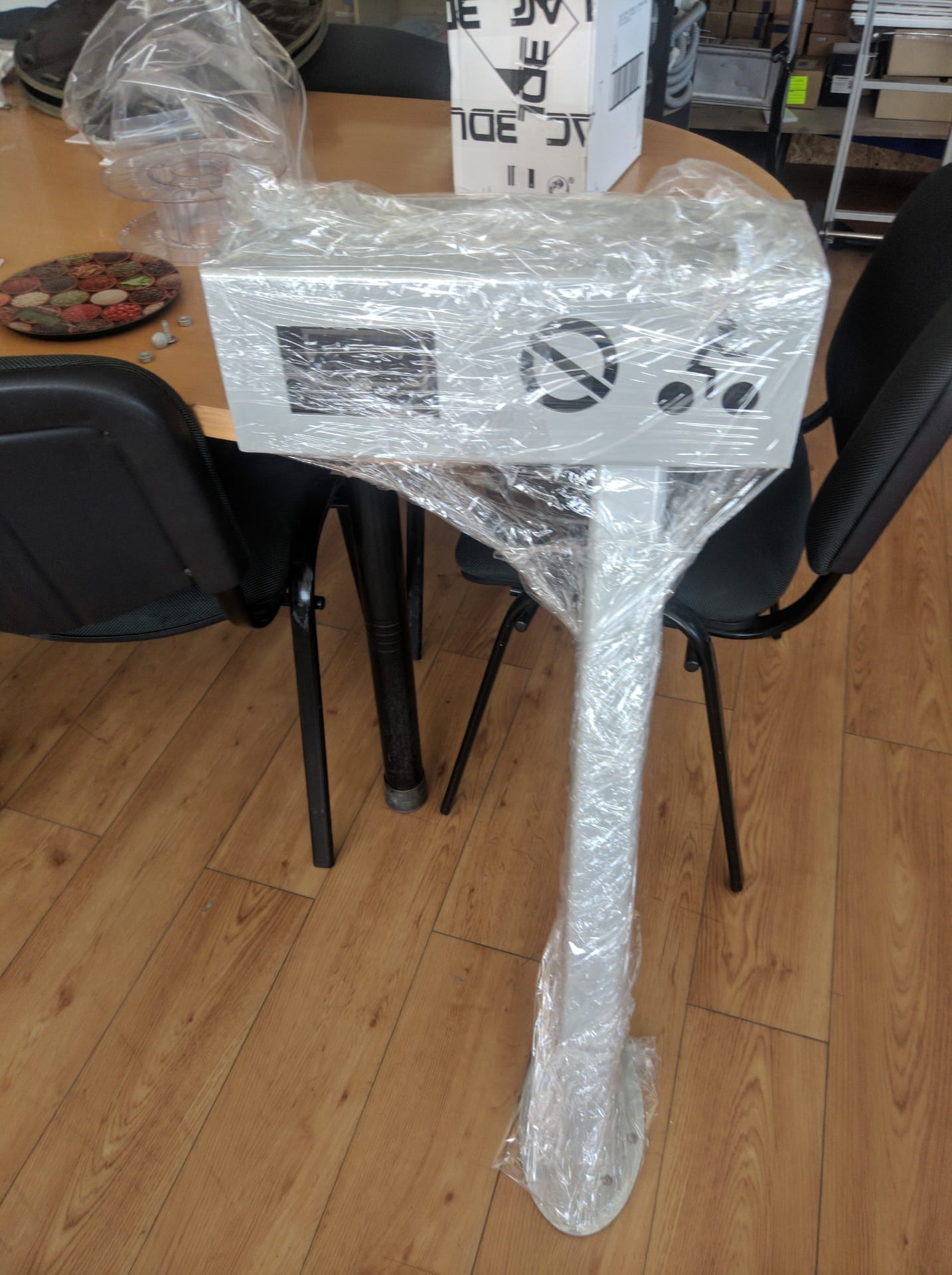
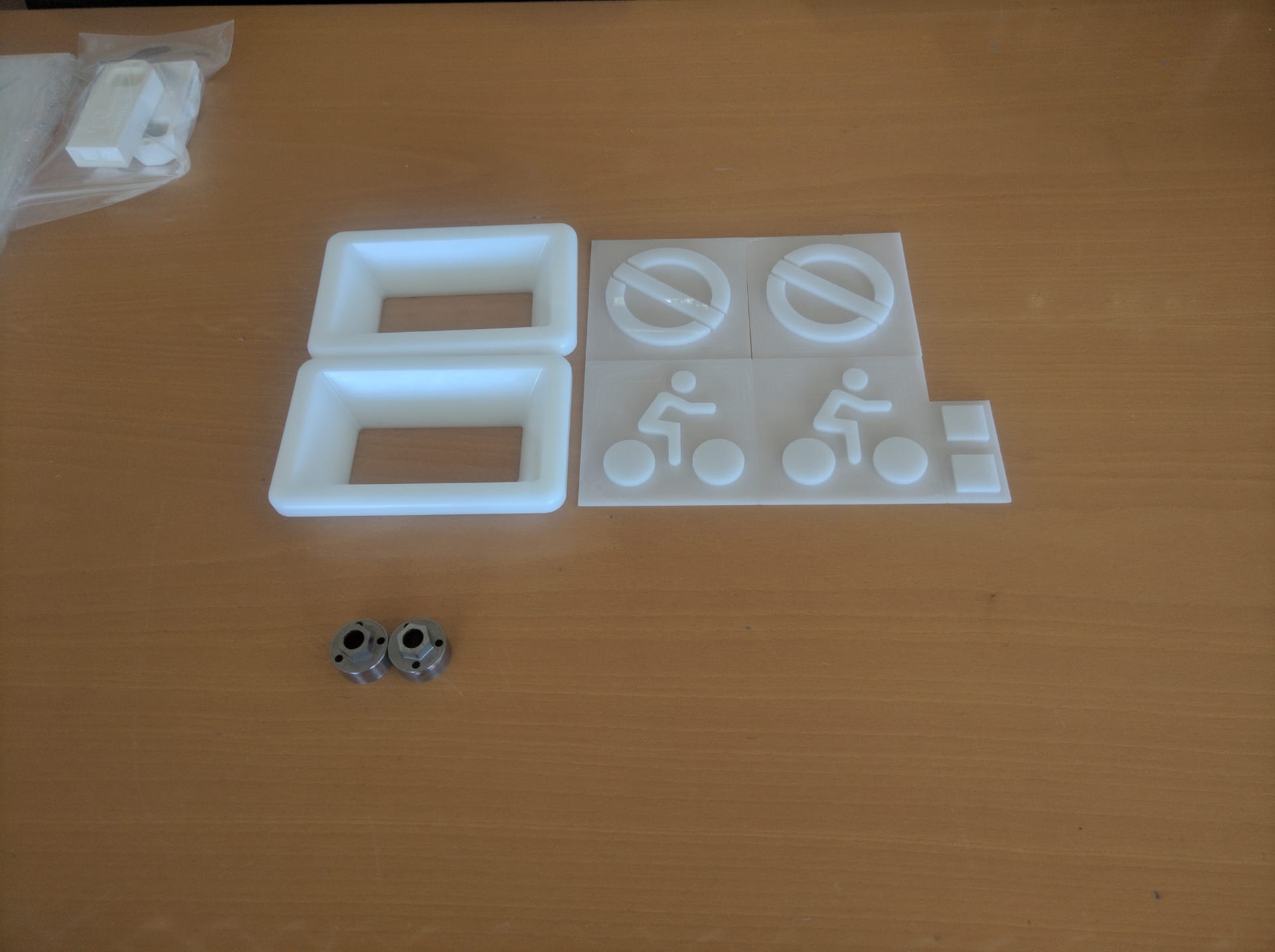
  • +20 3d printed parts for testing
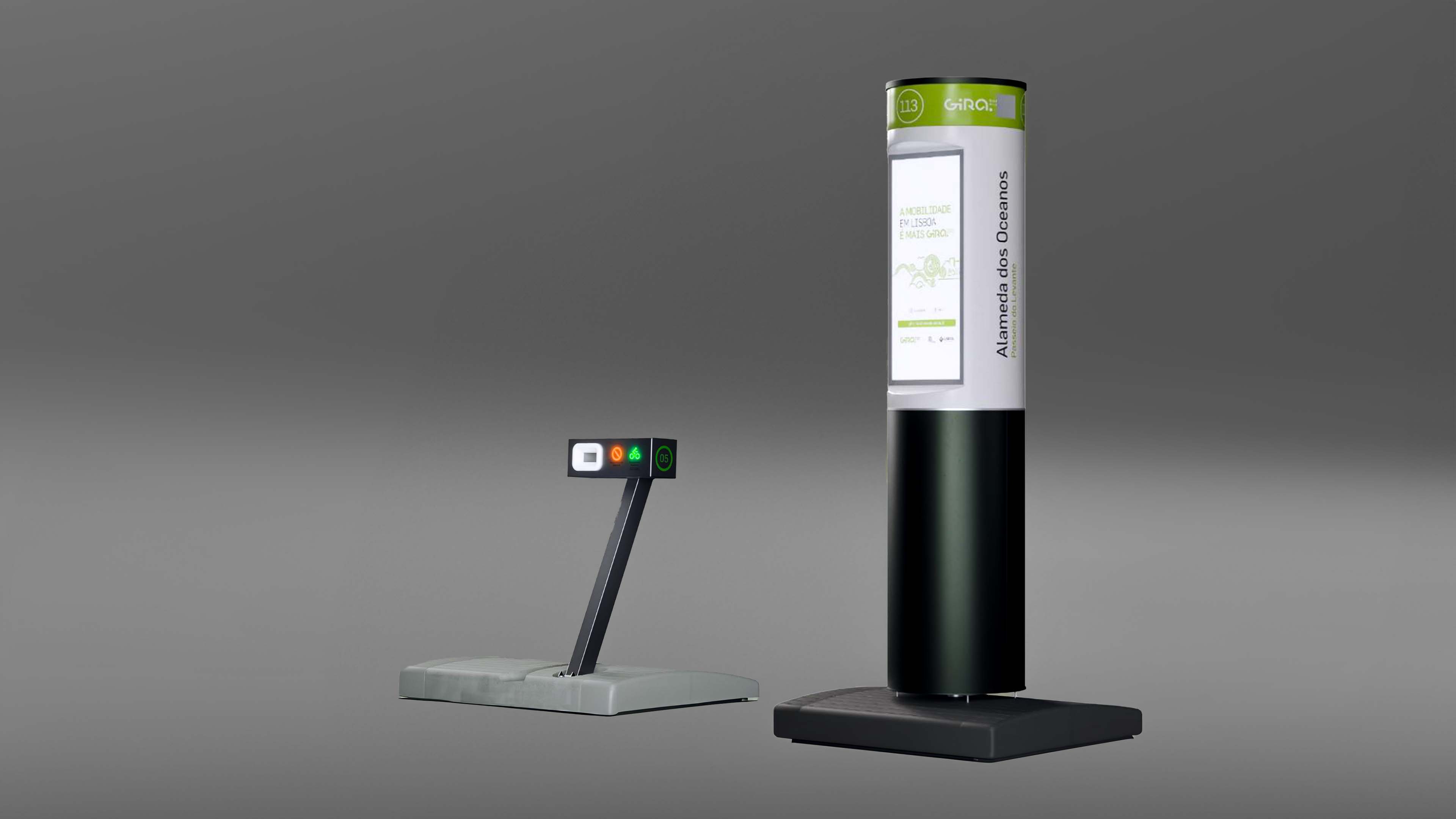
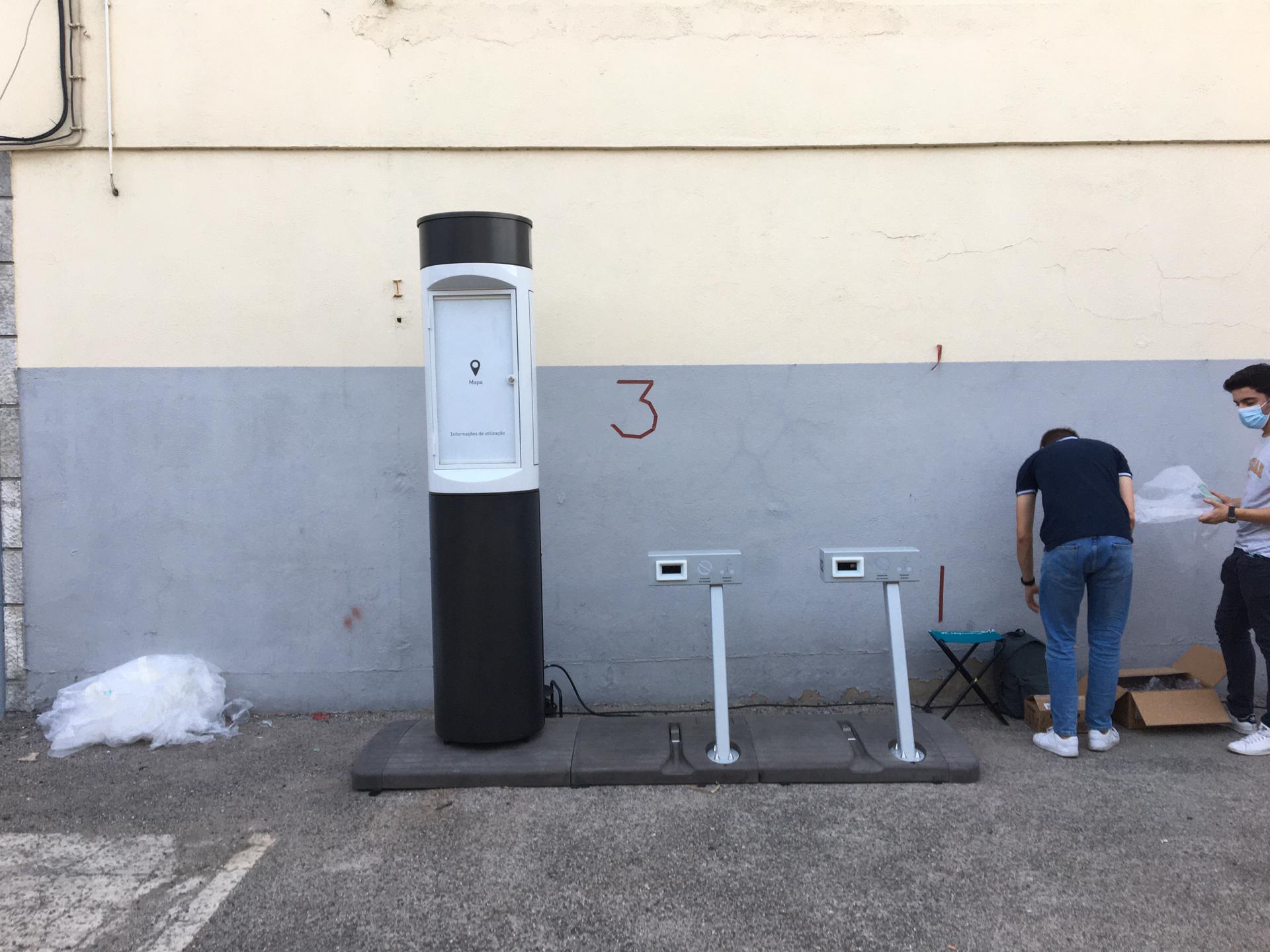
  • 3 docks and 1 totem delivered
  • 84 Parts manufactured
  • +100 files generated
  • 7 factories evaluated for manufacturing
  • Supply chain designed for metal and plastics manufacturing, assembly and quality assurance

Sketches

No items found.

Photos

No items found.

description
and
functioning

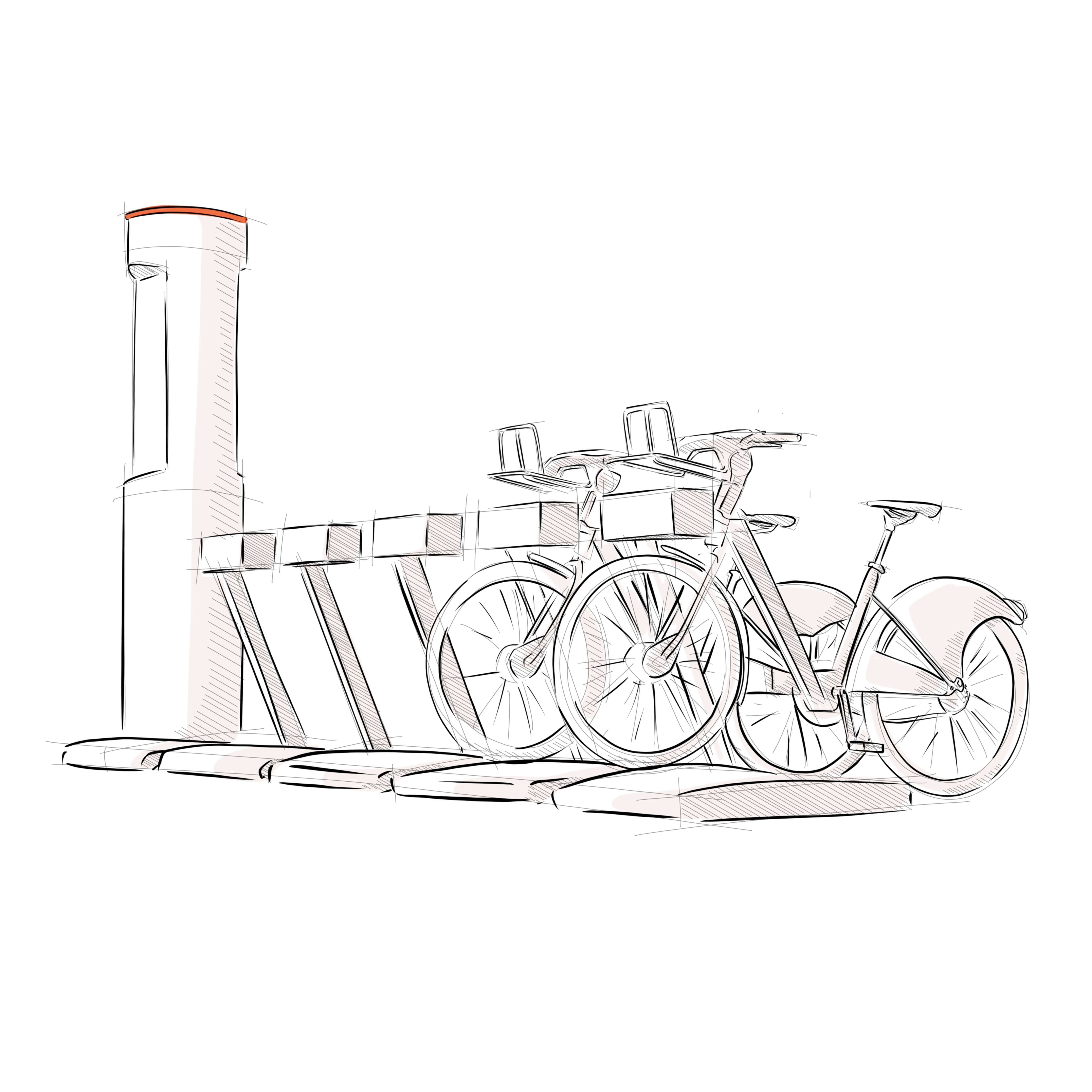
  • Designed to fit the concrete blocks already installed throughout the city
  • Enhanced mechanical security features to deter theft and vandalism
  • Materials and finishing processes selected for longevity and resistance to weathering
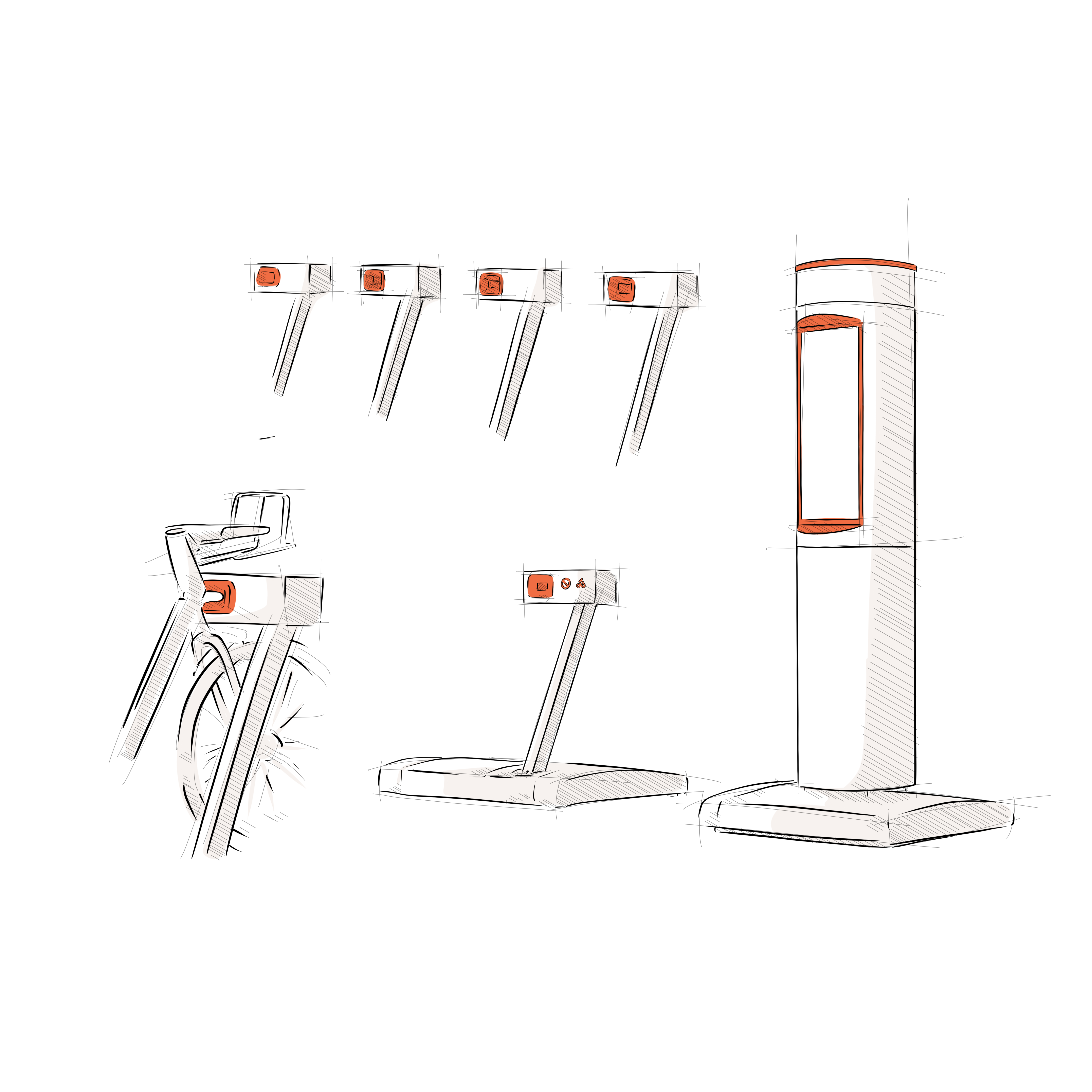
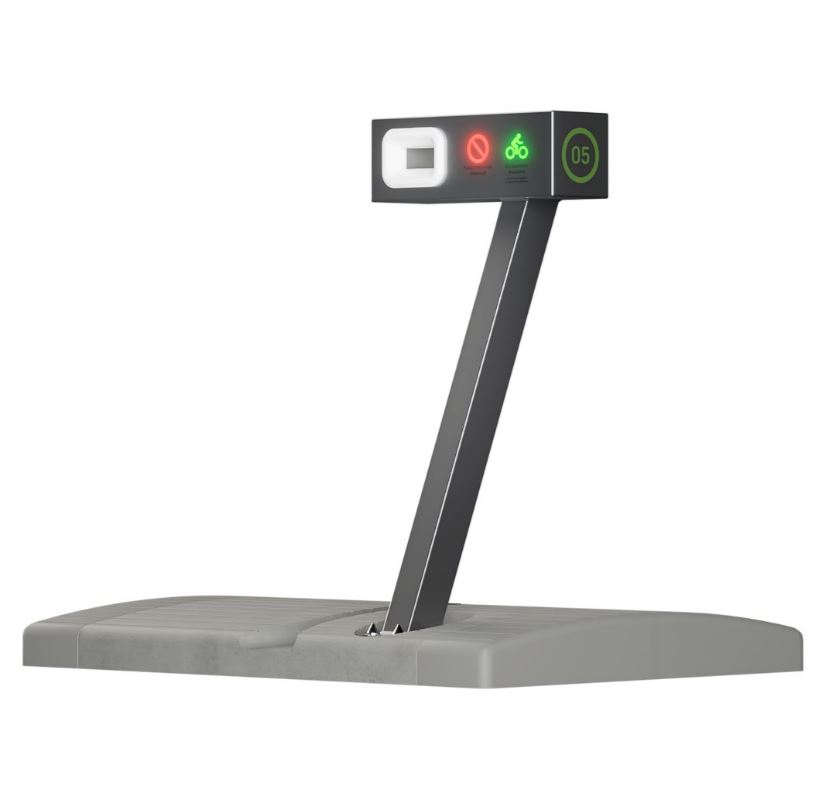
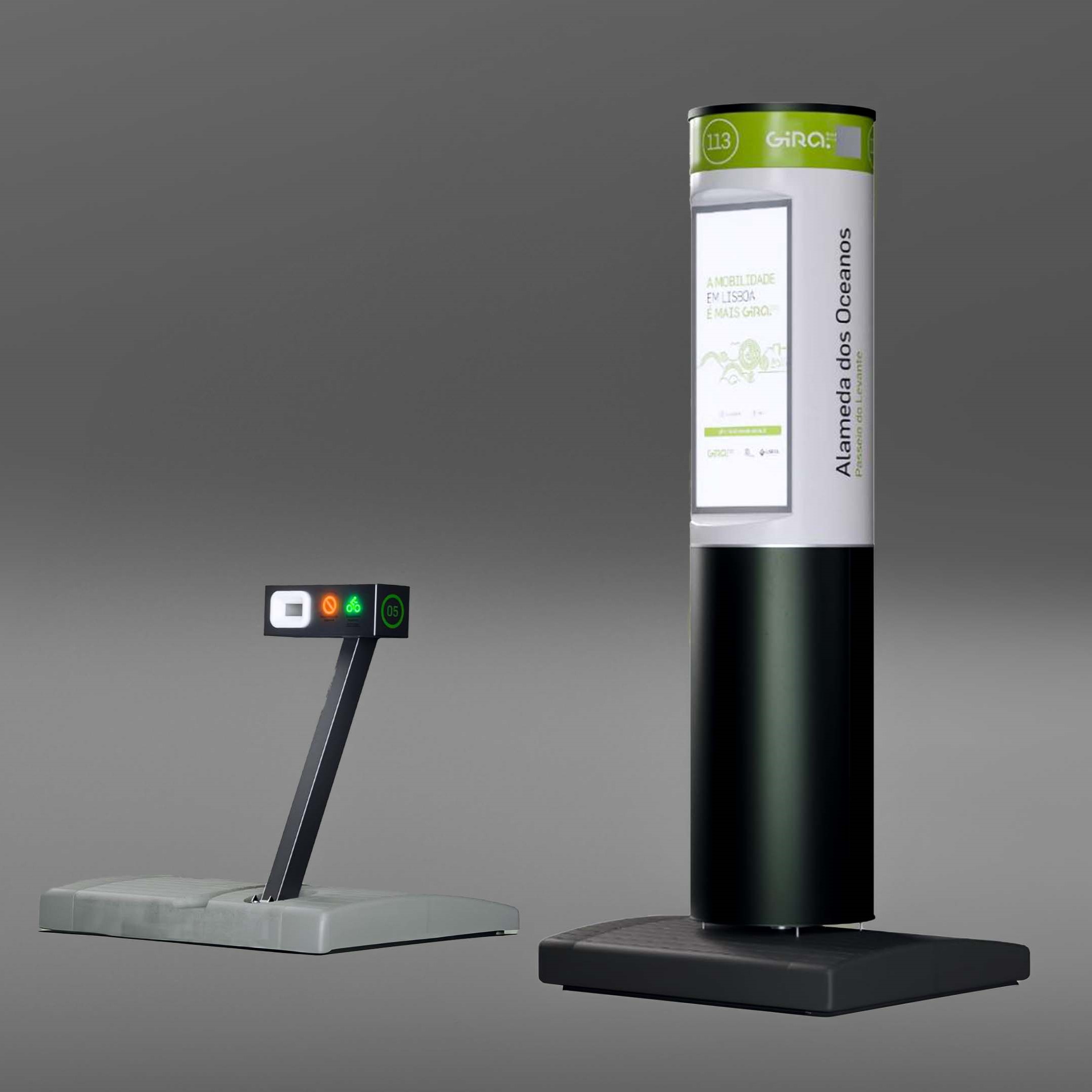
  • New lights for intuitive locked and unlocked bike interface
  • Optimized maintenance access for increase speed and comfort
  • Optimized alignement of the bike and dock for smooth docking
  • Optimization of the totem system to adapt LED screens, allowing for new adptability and business verticals for the city of Lisbon
  • Aesthetic appeal that aligns with Lisbon's previous bikesharing docks and totems
  • Scalable design and manufacturing processes, planned for expansion

addressing requirements

The Gira bike-sharing stations were meticulously designed to meet Siemens Mobility's specific requirements.

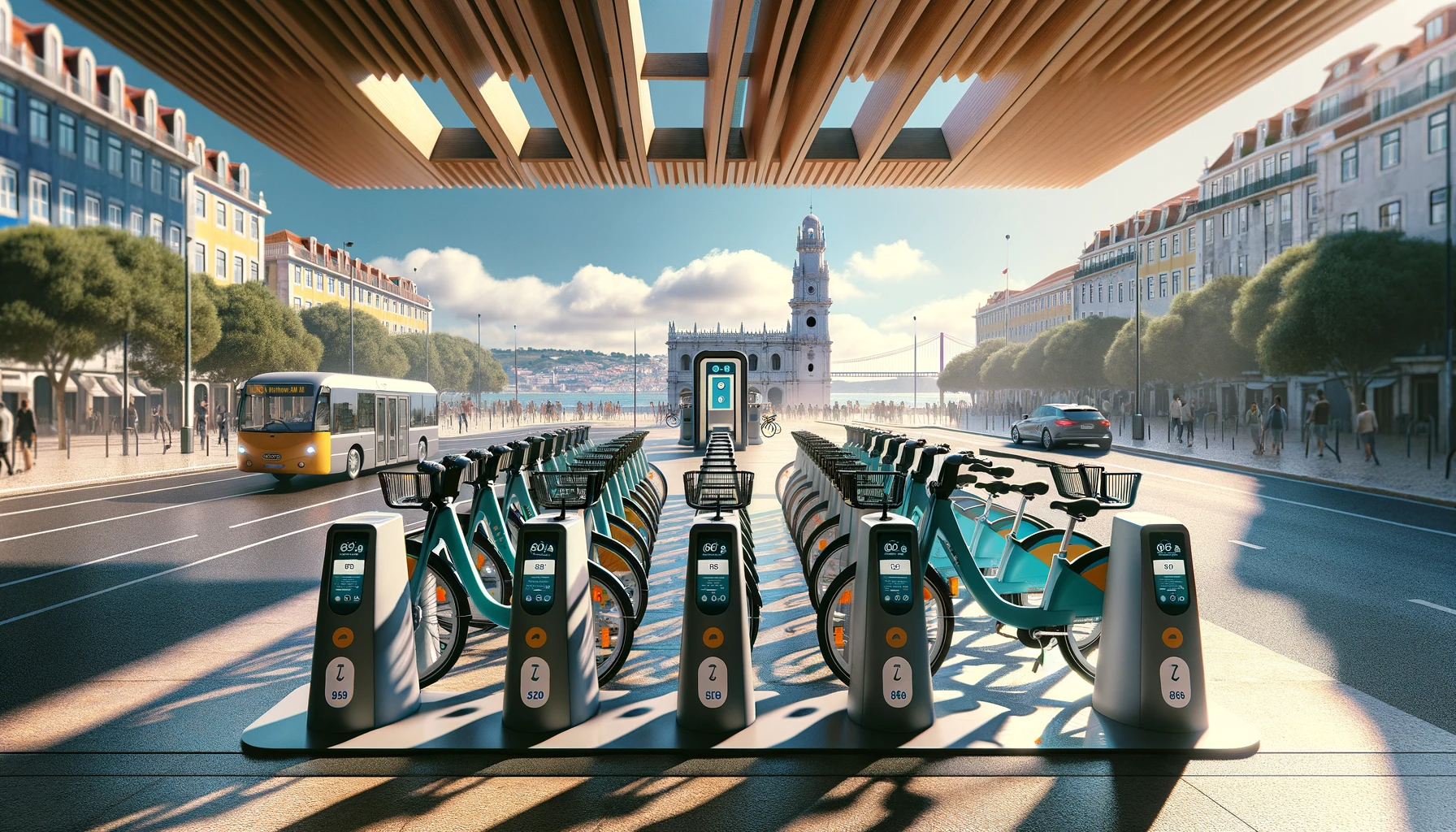
Addressing the requirement to fit within Lisbon's existing infrastructure, the design of the bike-sharing stations was specifically tailored to align with the concrete blocks already installed throughout the city. This strategic approach not only facilitated seamless integration into the urban landscape but also minimized the need for additional construction work, thereby reducing costs and environmental impact.

In terms of security, a major focus was placed on enhancing mechanical features to deter theft and vandalism. This included the integration of robust locking mechanisms and durable materials, ensuring the bikes and stations remained secure and functional over time. The attention to security details was critical in maintaining the integrity and reliability of the bike-sharing system.

The choice of materials and finishing processes was particularly crucial for the longevity and resistance to weathering. Materials were selected for their durability and ability to withstand Lisbon's varied weather conditions, from intense summer heat to rainy winters. The design and finishing processes further ensured that the stations remained visually appealing and structurally sound over the years, and that IP65 and IK10 certifications were met.

For the user interface, new lighting systems were designed, providing clear indications of a bike's locked or unlocked status. This feature enhanced user experience by making the process of renting and returning bikes more intuitive and less time-consuming, thereby encouraging more residents and visitors to use the bike-sharing service. The alignment of bikes with docks was meticulously tested and optimized, ensuring a smooth and effortless docking process. This improvement was critical in making the bike-sharing experience more user-friendly and less intimidating, especially for first-time users.

The totem system was reimagined to include LED screens, creating a dynamic and interactive element that could serve multiple purposes. This adaptation opened avenues for new business verticals, such as advertising, and provided the city with a modern tool for disseminating information.

Optimized maintenance access was another key aspect. The design allowed for quick and efficient maintenance operations, reducing downtime and ensuring that bikes were always available to users. This optimization was not only about physical access but also about designing components that were easy to repair or replace. By designing the stations for recyclability adnd repairability, the environmental immpact of the bikesharing systems was significantely reduced.

Finally, scalability was a foundational element in the design and manufacturing processes. The stations were created with the future expansion in mind, allowing the bike-sharing network to grow and evolve with the city's needs. This foresight was critical for the long-term success and adaptability of the system.

renders

No items found.

Photos

No items found.

results and
benefits

  • 3.5 Million dollar contract won
  • 1.1 Billion dollar acquisition
  • 130 Bikesharing stations installed (average 8 docks per station)

impact of
the project

Thanks to this project, Siemens won the public tender for this high visibility project and helped pave the way to a 1 Billion dollar acquesition that scaled their impact globally. The efficient collaboration between Siemens and 3DWays teams, made possible for this project to reach success in such a short period, proving that Hardware can be fast and effective, inspiring many new projects with Yunex, Siemens, and many other companies in mobility. Most importantely, this project empowers Lisbon residents and visitors to enjoy daily the 2.000 plus electrical bikes, that help them navigate the city’s hills and enjoy the beautiful culture and opportinities.

conclusion

Reflecting on the Gira bike-sharing project, it's evident that it was more than just a venture into innovative urban mobility; it was a journey of growth and collaboration. This project not only enhanced Lisbon’s transportation landscape but also fostered strong partnerships, expanding the horizons for Siemens Mobility and FullCycle. The swift and successful execution of such a complex endeavor within a tight timeframe is a testament to the dedication and skill of the teams involved. It highlights the power of clear communication, effective collaboration, and a shared vision. This project is a milestone in both companies' histories, showcasing their ability to transform challenges into opportunities and to create solutions that resonate with the needs of modern cities. The success of this venture sets the stage for continued innovation and expansion, underscoring a bright future for urban mobility solutions.
BACK