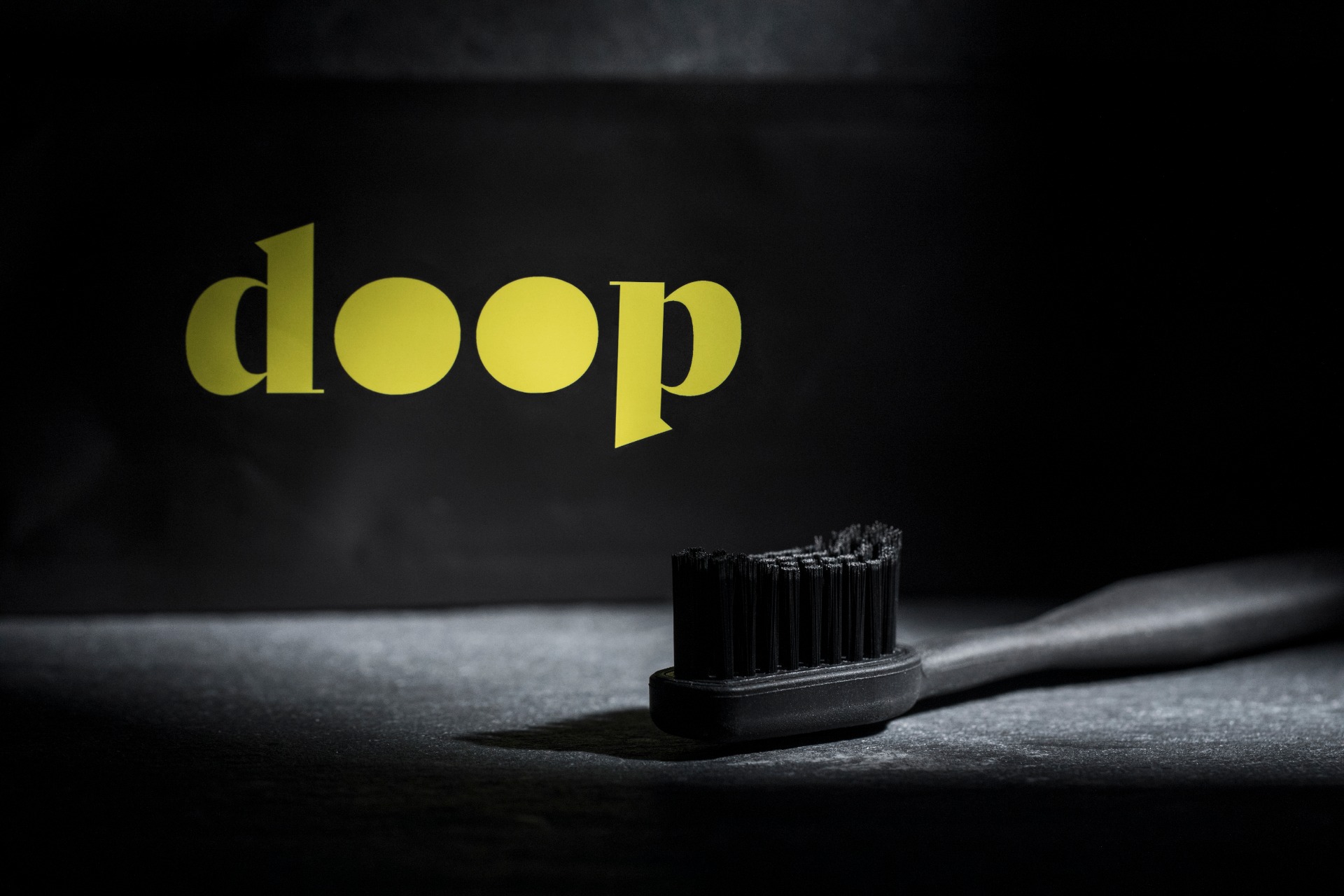
The last toothbrush you will ever buy
FullCycle integrates circular economy and technology to help its clients with one of the world's most challenging problems: waste valorization. This project was brought by one of the biggest retailers in Europe, with the challenge of putting truly sustainable toothbrushes on the market, not greenwashed ones.
FullCycle integrates circular economy and technology to help its clients with one of the world's most challenging problems: waste valorization. This project was brought by one of the biggest retailers in Europe, with the challenge of putting truly sustainable toothbrushes on the market, not greenwashed ones.
22 million kg of toothbrushes go to landfill every year. That is equivalent to more than 20,000 white whales in weight. Many solutions on the market look sustainable but are the opposite: bamboo toothbrushes have only one life, and when they break, the combined impact of bamboo deforestation, manufacturing and shipping, in most cases still ending in landfill, is huge. Pig hair toothbrushes and many other alternatives are not recommended by the World Health Organization. So the question remains: how do we solve this problem?

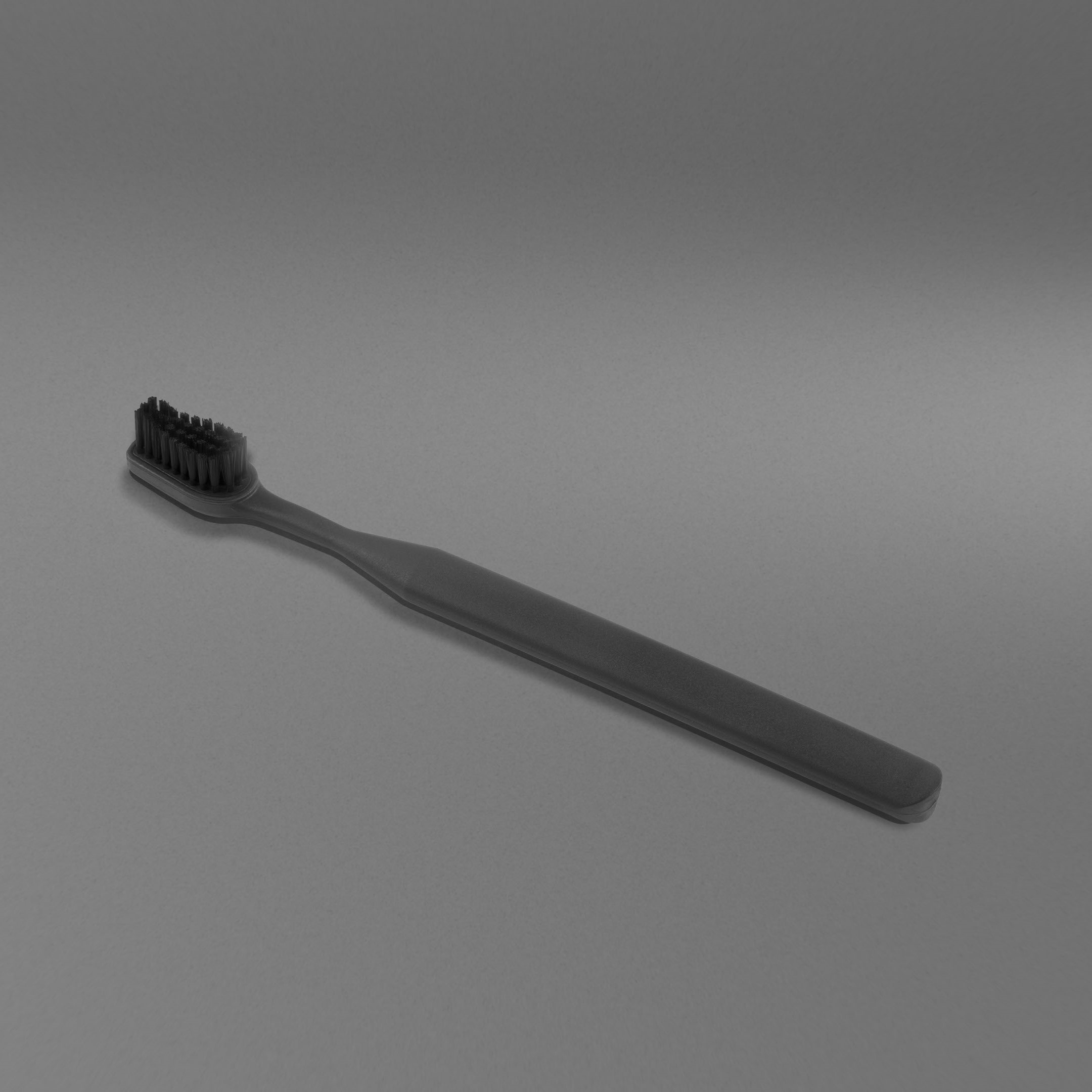
After extensive competitor and market research, done in co-creation with FullCycle and identifying the impact of each solution on the market, two main solutions were identified and tested. One used a plant root with over 40 properties, such as whitening and antibacterial action, that needs no toothpaste. The other used recycled and recyclable plastics with removable heads. When comparing both, although the plant-based solution would have a much lower impact, the consumer education needed to stop using toothpaste and the difficulties with regulation and health compliance in many countries tipped the scale to the most effective solution: Doop. The design was iterated and prototyped following eco-design principles, with a premium look that aims to reshape what the consumer perceives as recycled, from low quality to the best design. Doop won a Red Dot Award, one of the most prestigious design awards in the world, and the Best for Life Design Award in sustainable design. It was featured in Wired, Vanity Fair and more, and attracted interest from Walmart for retail.

22 million kg of toothbrushes go to landfill every year. That is equivalent to more than 20,000 white whales in weight. Many solutions on the market look sustainable but are the opposite: bamboo toothbrushes have only one life, and when they break, the combined impact of bamboo deforestation, manufacturing and shipping, in most cases still ending in landfill, is huge. Pig hair toothbrushes and many other alternatives are not recommended by the World Health Organization. So the question remains: how do we solve this problem?
After extensive competitor and market research, done in co-creation with FullCycle and identifying the impact of each solution on the market, two main solutions were identified and tested. One used a plant root with over 40 properties, such as whitening and antibacterial action, that needs no toothpaste. The other used recycled and recyclable plastics with removable heads. When comparing both, although the plant-based solution would have a much lower impact, the consumer education needed to stop using toothpaste and the difficulties with regulation and health compliance in many countries tipped the scale to the most effective solution: Doop. The design was iterated and prototyped following eco-design principles, with a premium look that aims to reshape what the consumer perceives as recycled, from low quality to the best design. Doop won a Red Dot Award, one of the most prestigious design awards in the world, and the Best for Life Design Award in sustainable design. It was featured in Wired, Vanity Fair and more, and attracted interest from Walmart for retail.


