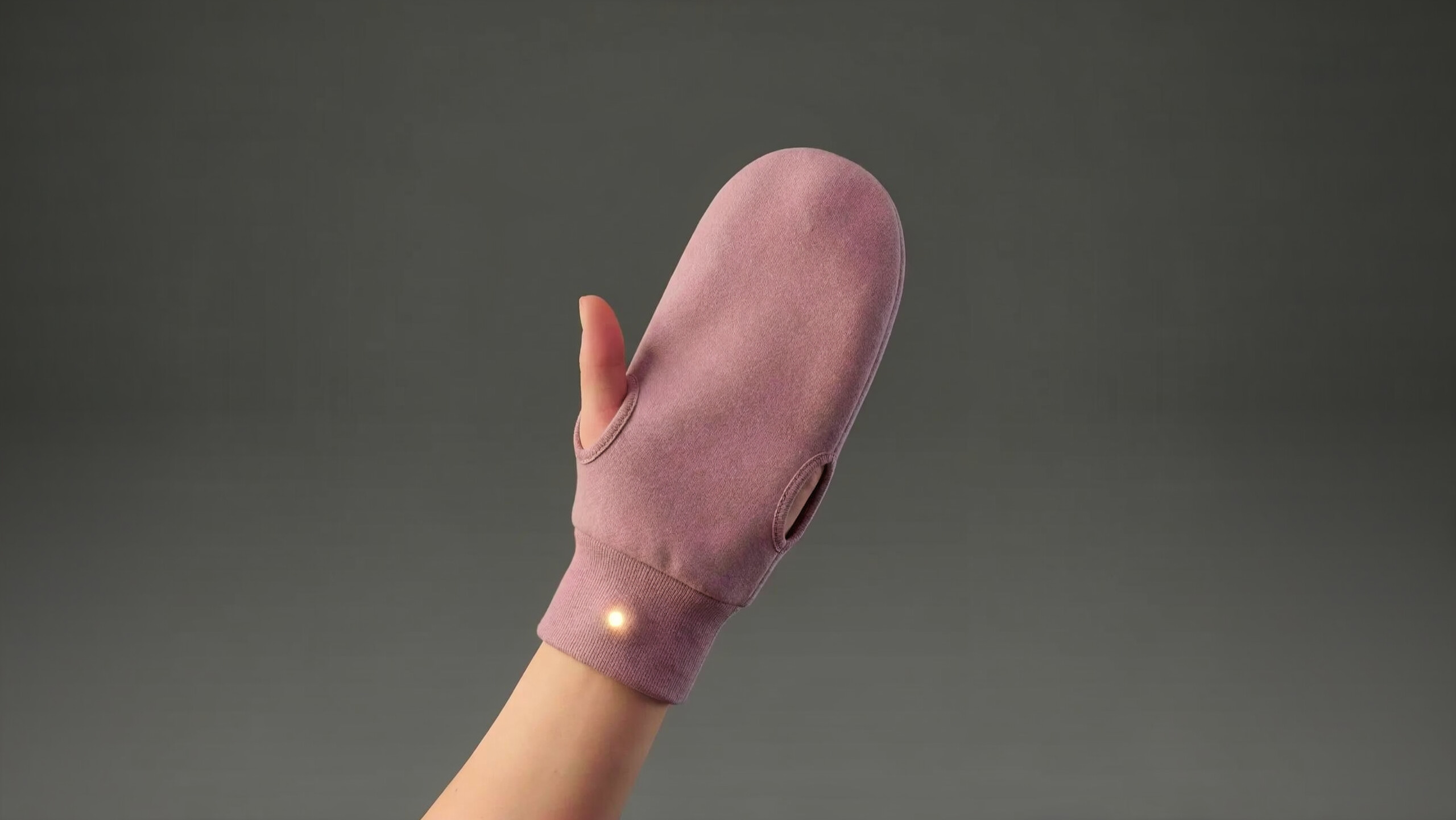
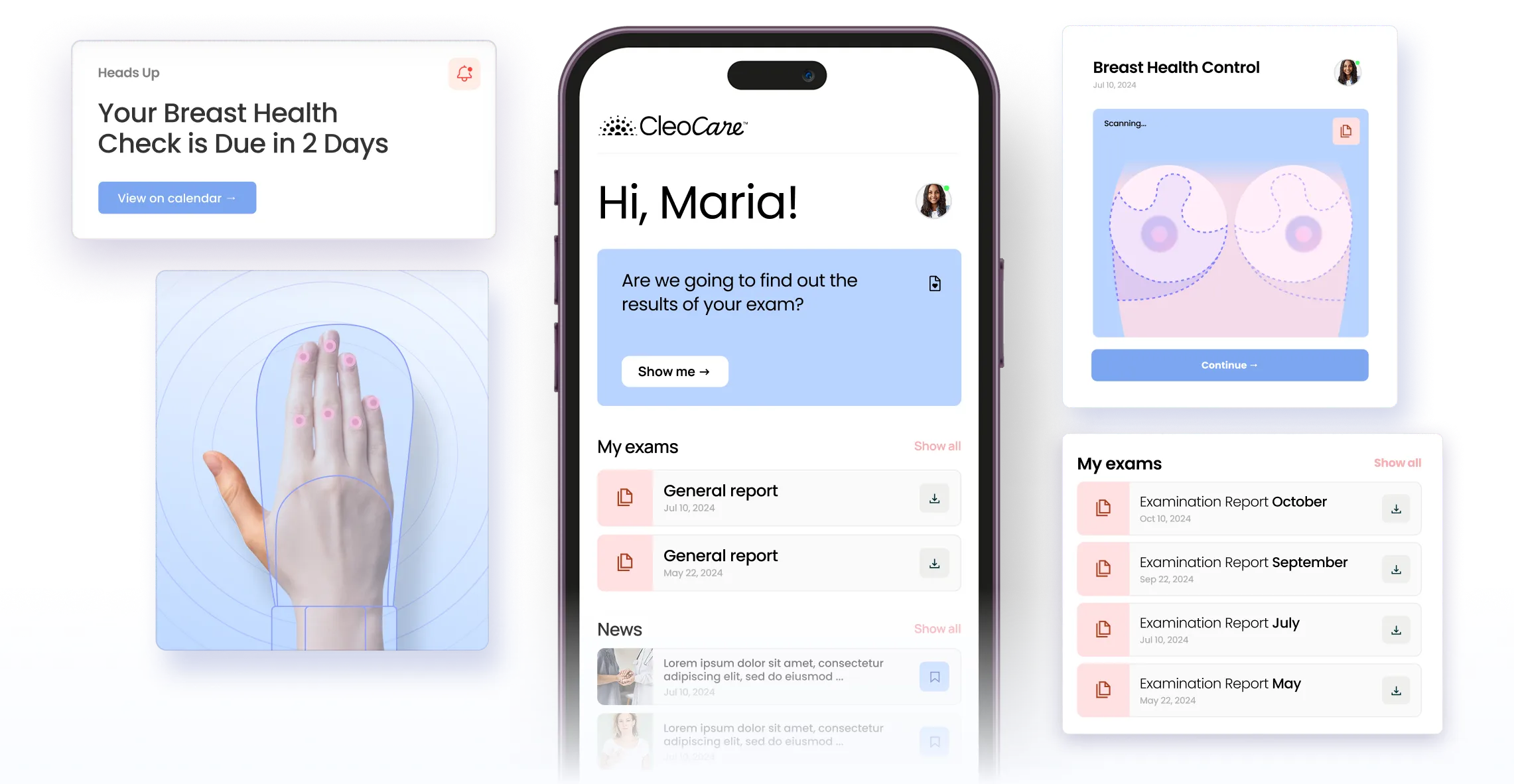
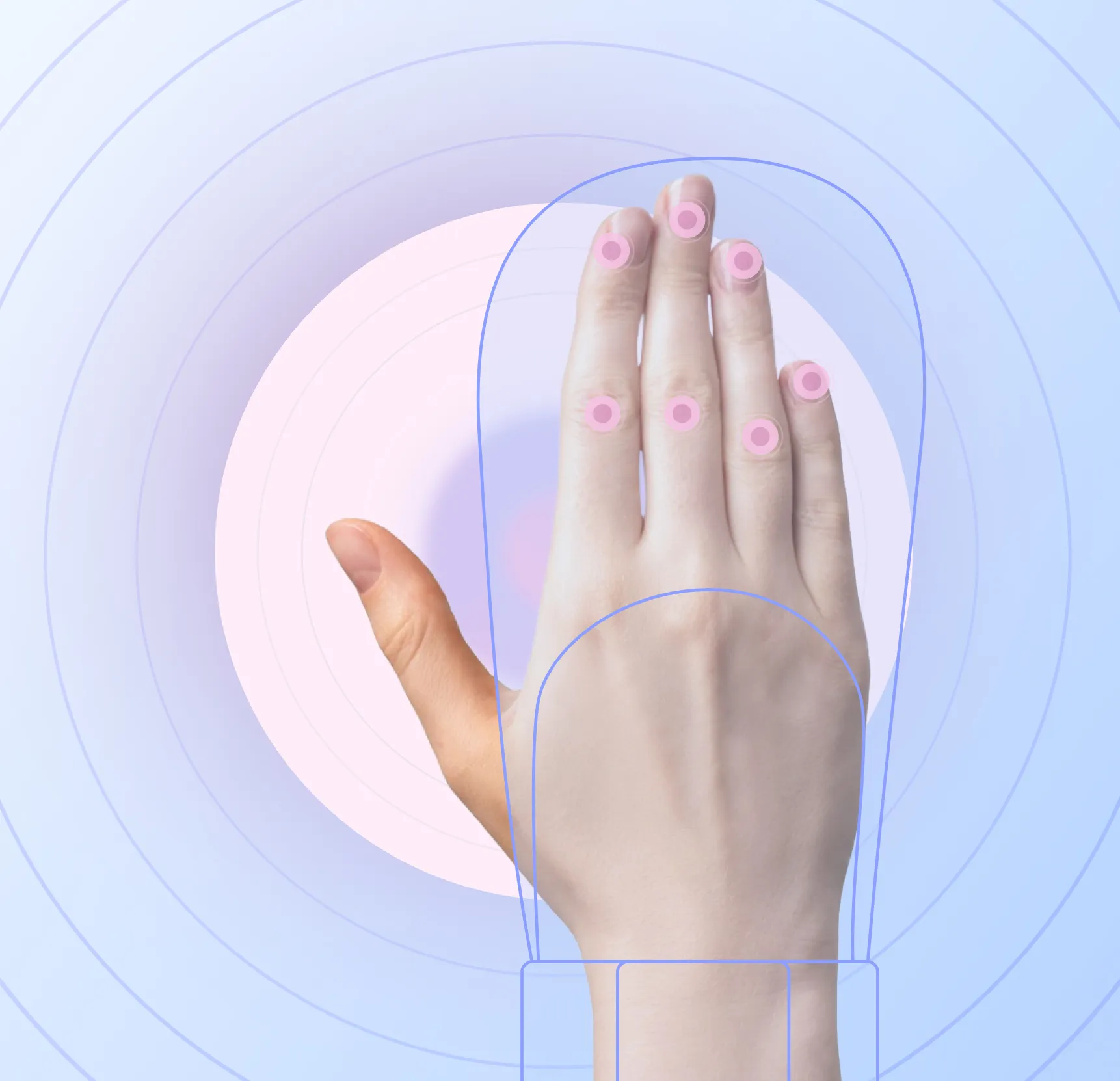
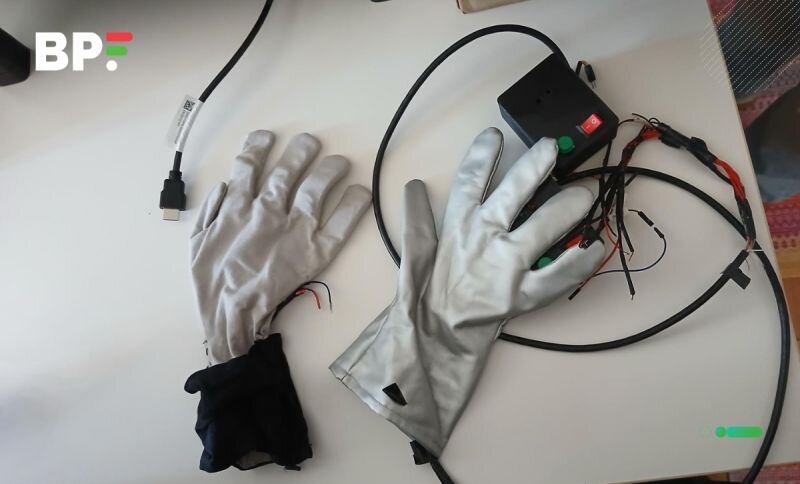
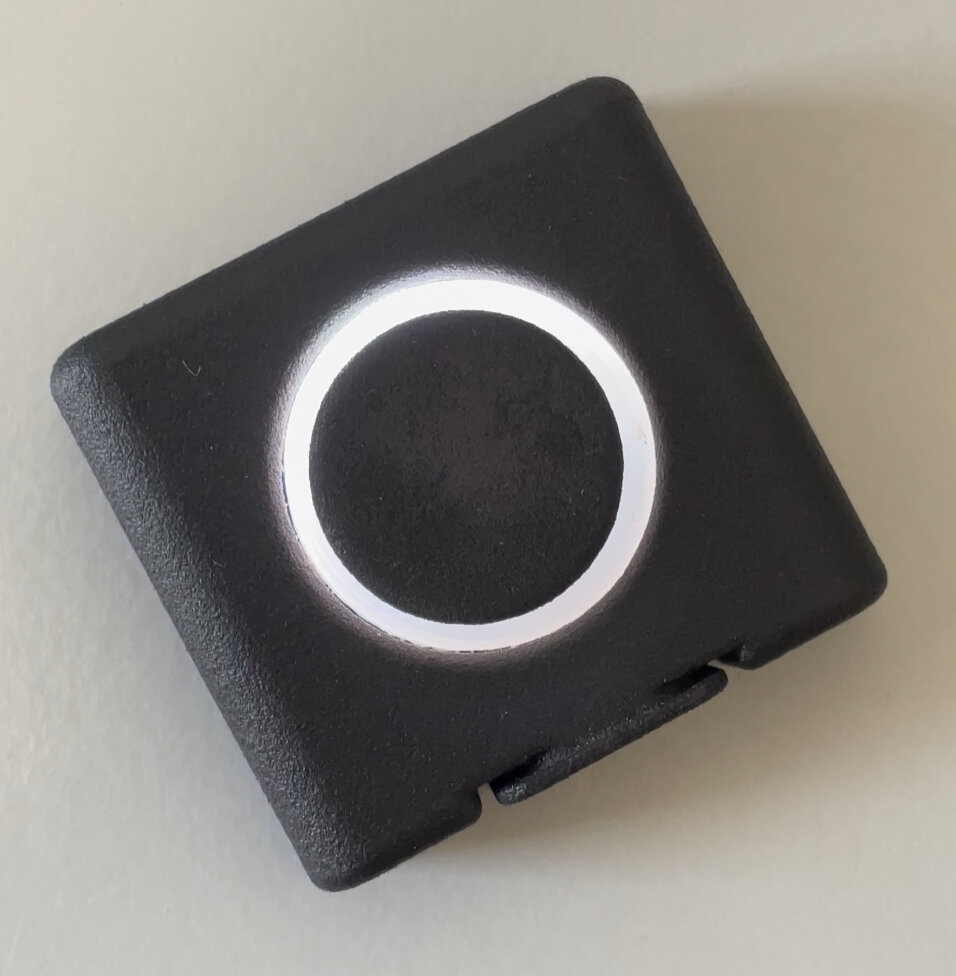
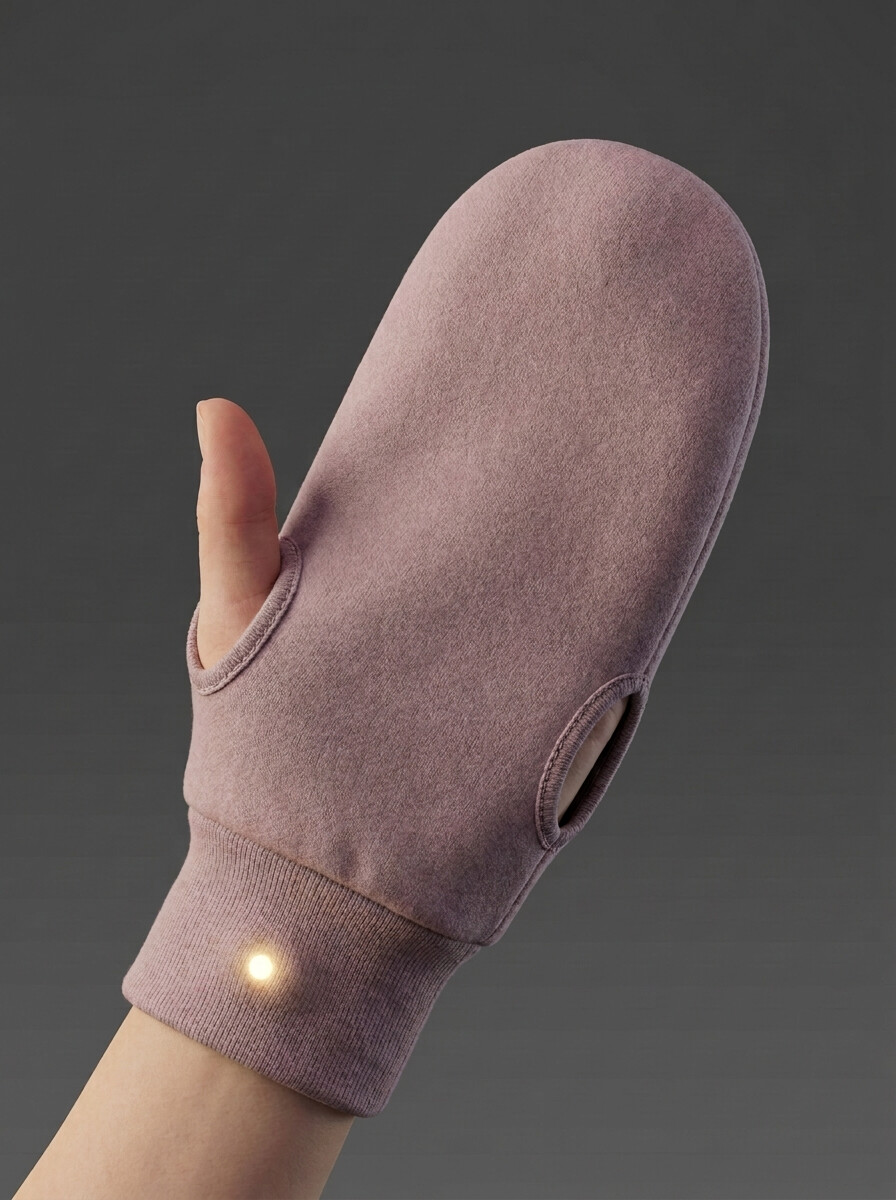
The work was organised in stages. Each stage started with a requirements document covering usability, function, sustainability and manufacturing, agreed and signed with CleoCare before any design work began. That gave both teams a fixed reference to verify against at the end of the stage.
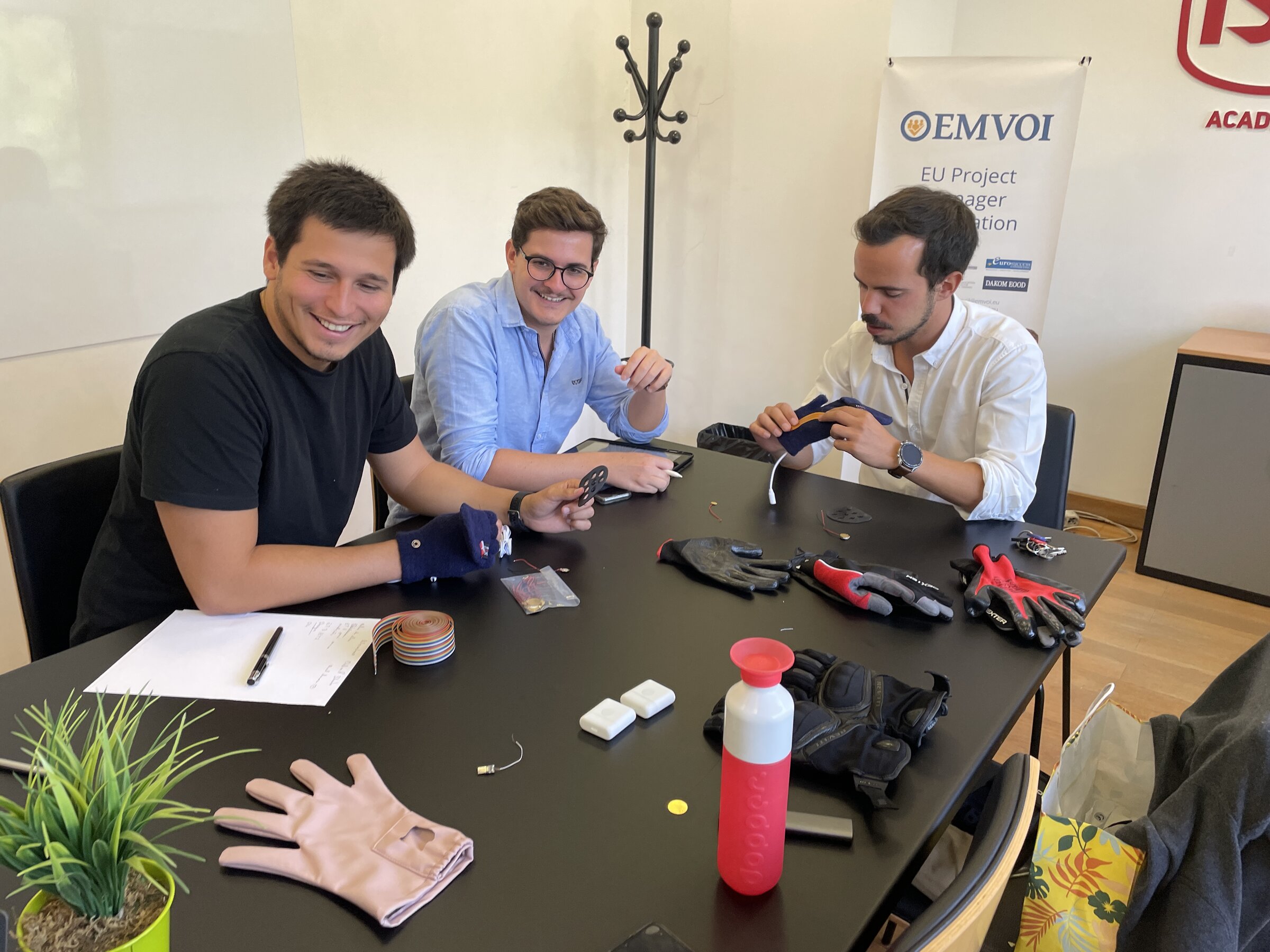
Within each stage, FullCycle generated concepts, built and compared prototypes in parallel, and verified the results against the acceptance criteria and reference data supplied by the client. Only the options that met the criteria moved forward.
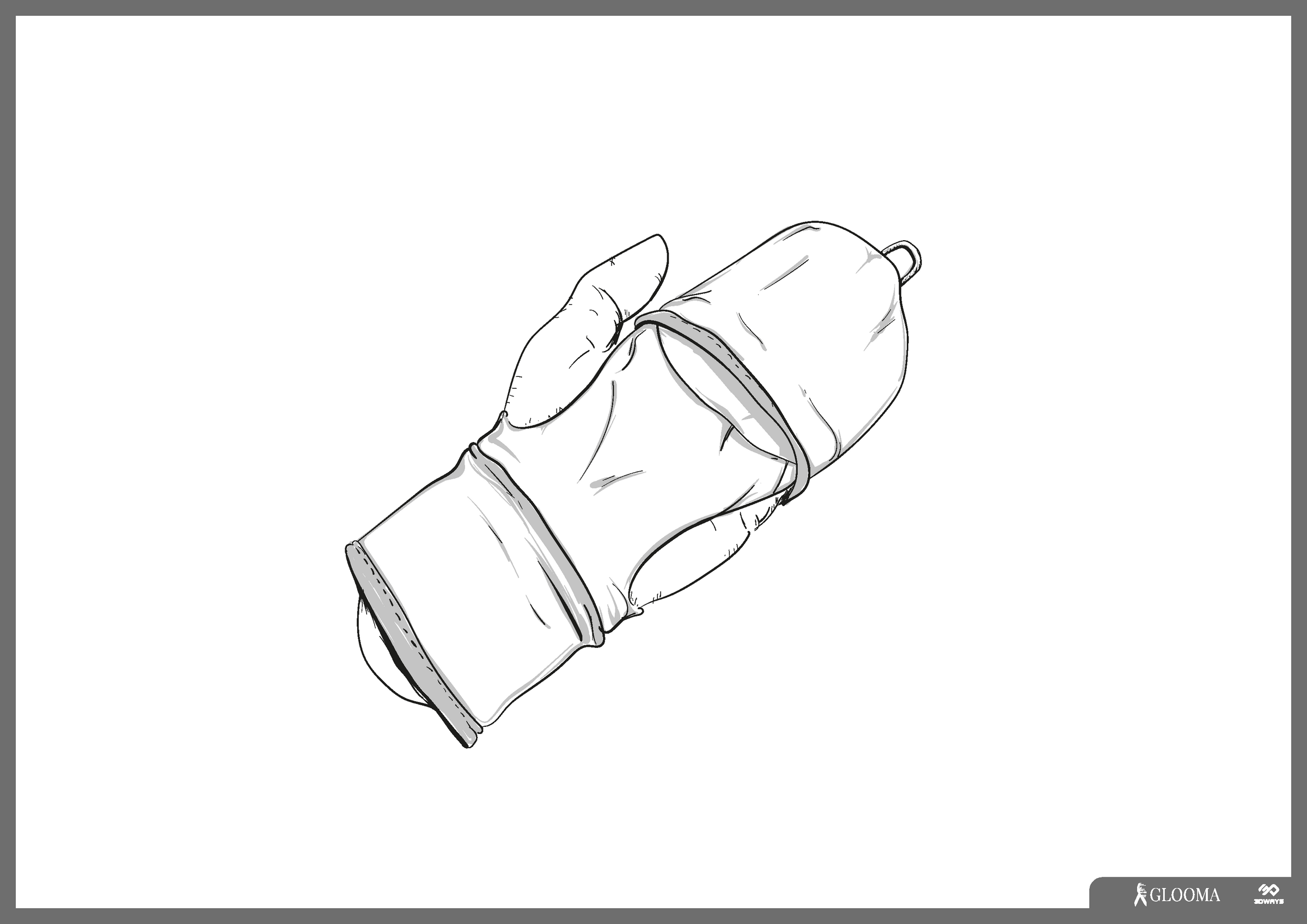
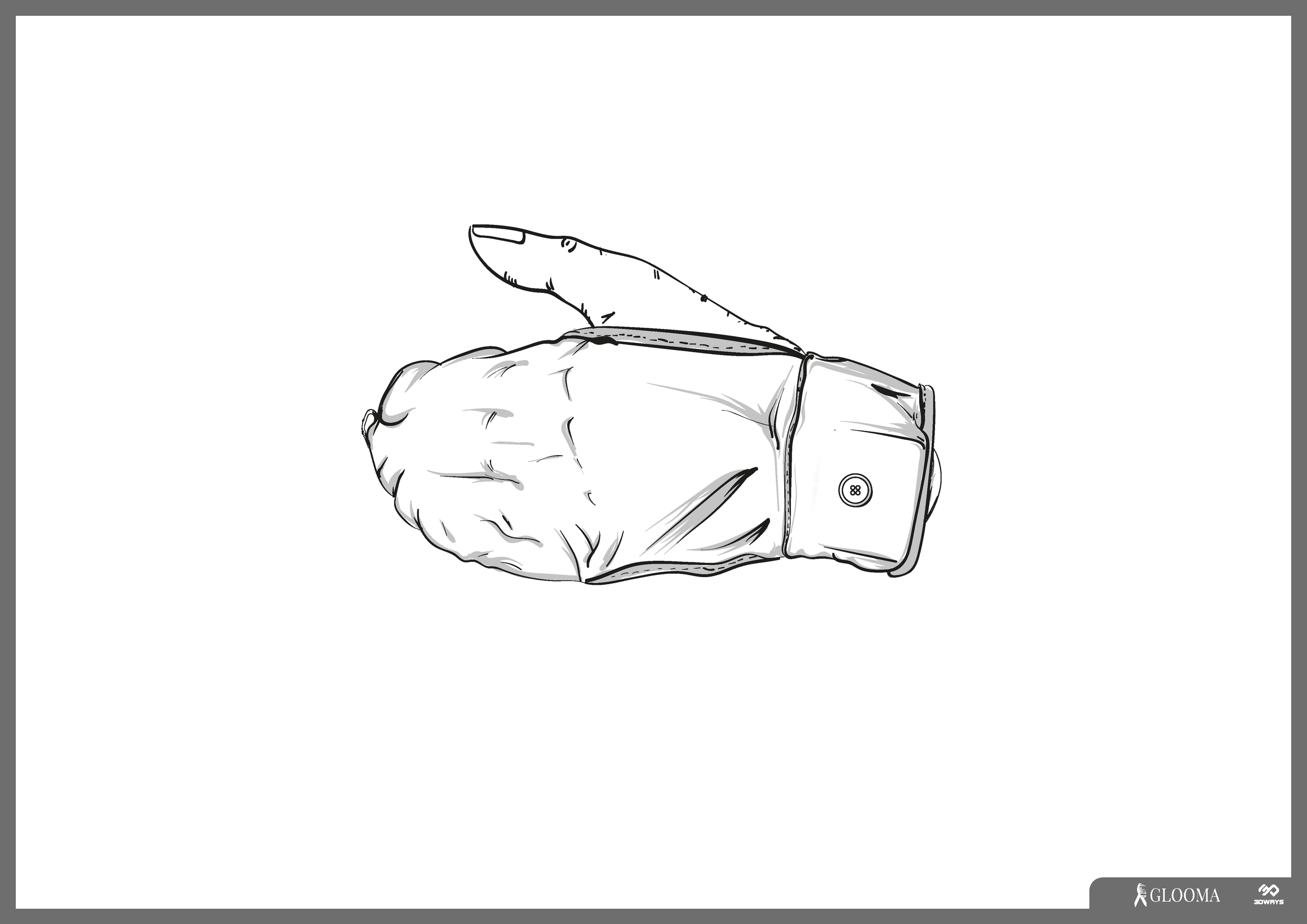
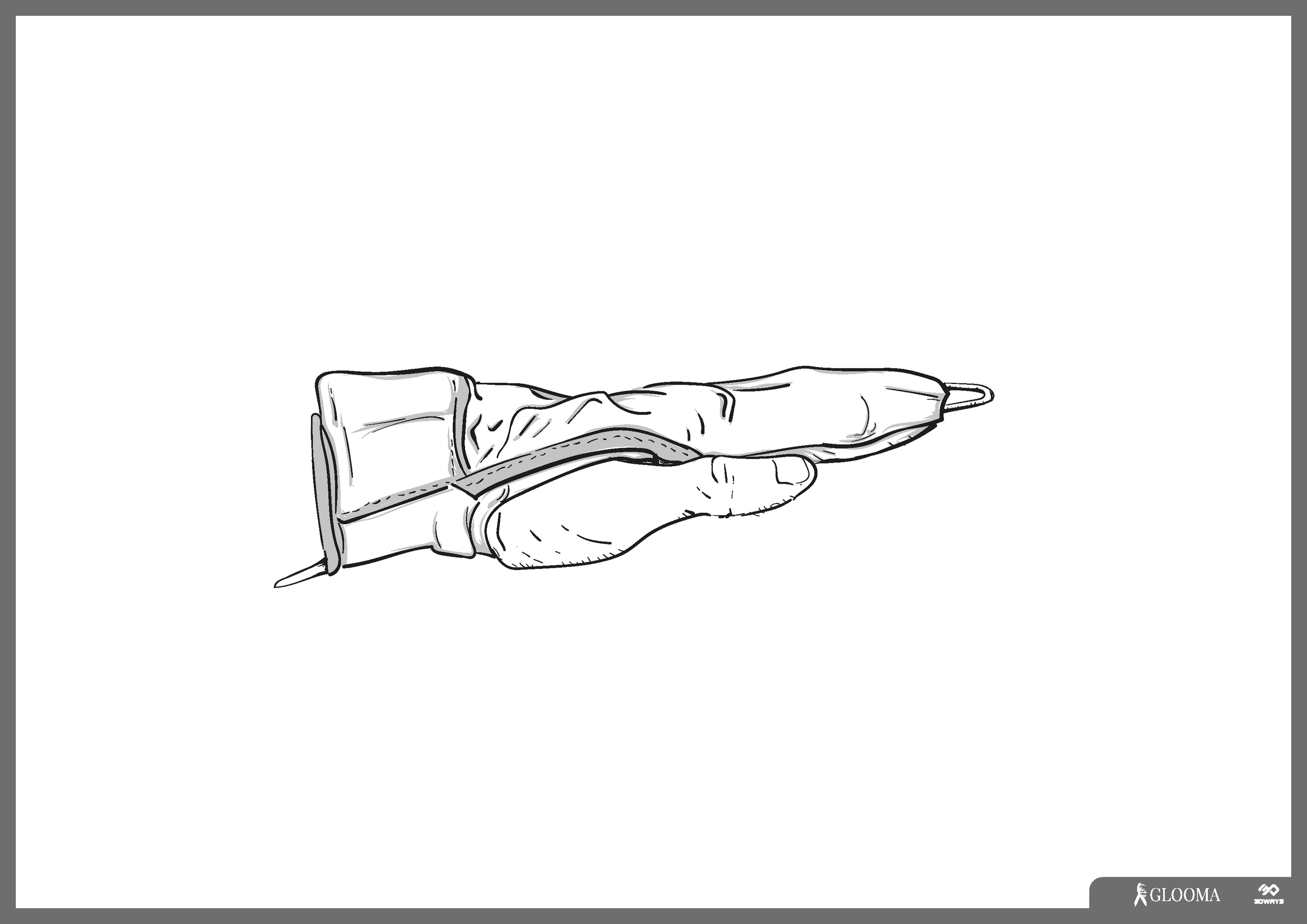
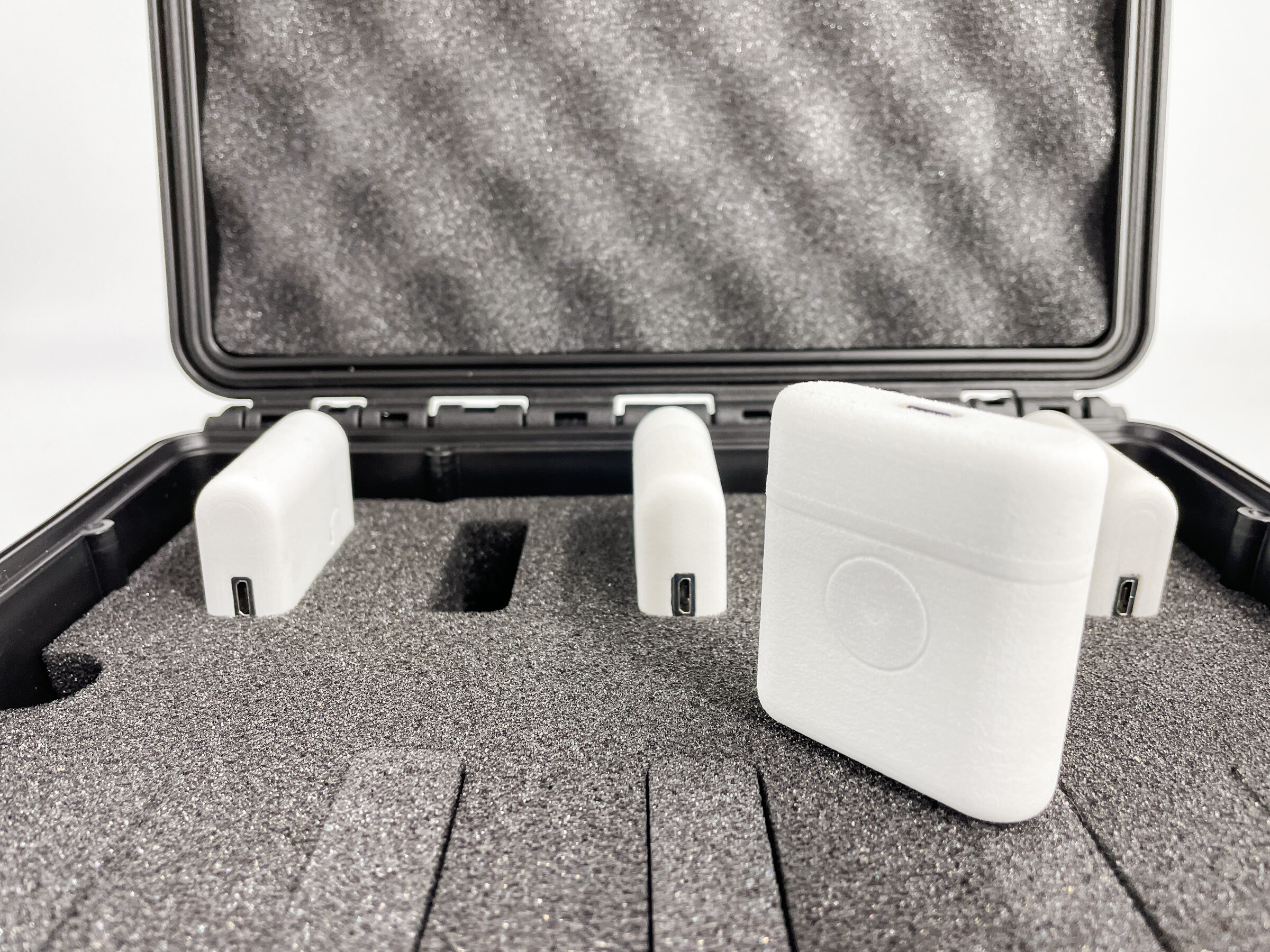
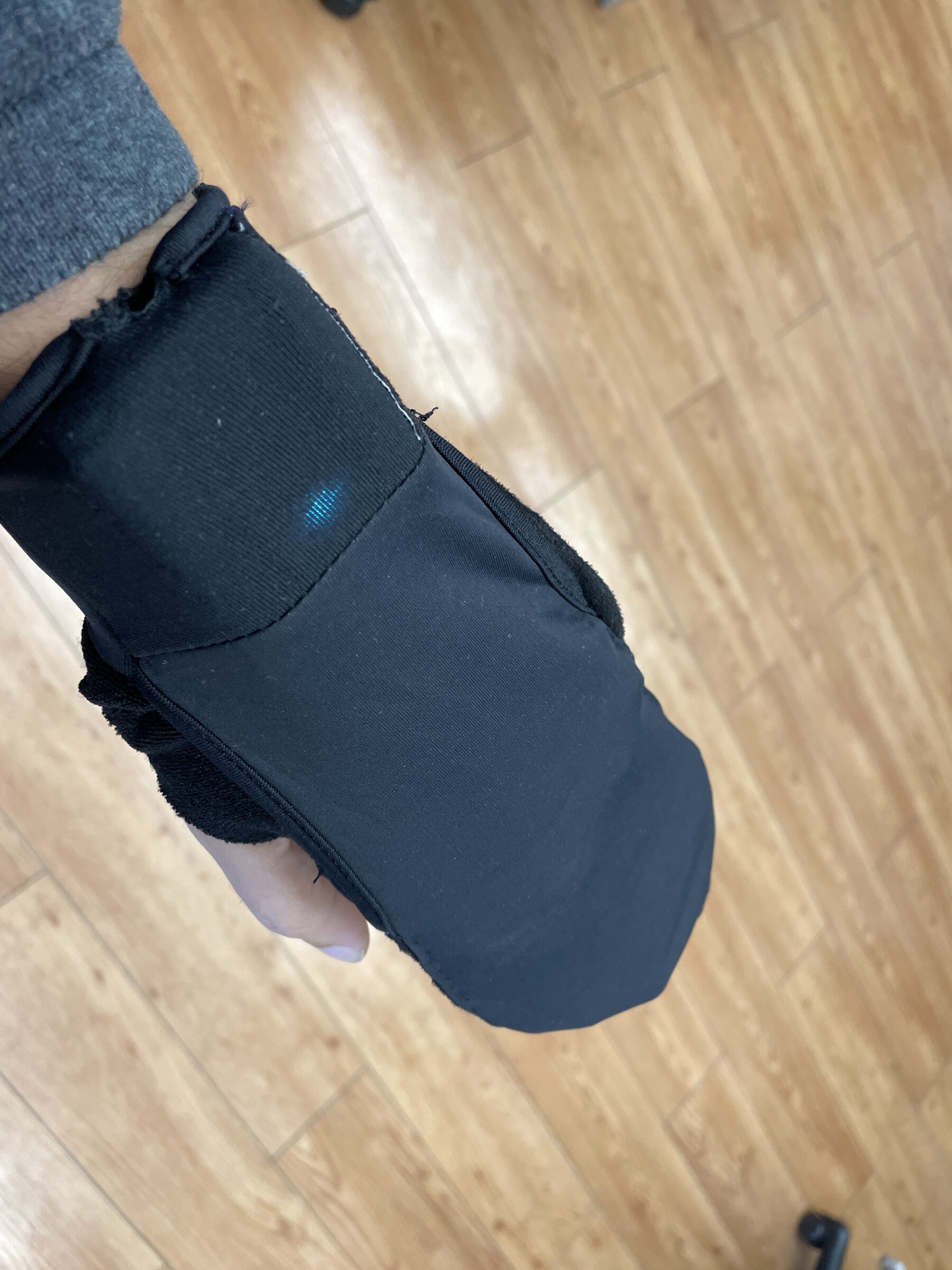
Responsibilities were split clearly. FullCycle handled the hardware: the textile glove, the control module, the integration of the electronics and the manufacturing documentation. CleoCare kept ownership of its sensing technology, its software, and the clinical studies and user testing, using the protocols and prototypes delivered at each stage.
Sustainability was treated as a requirement from the start: components compliant with RoHS, REACH and WEEE, suppliers selected with attention to labour and environmental standards, and a design that can be disassembled at end of life.
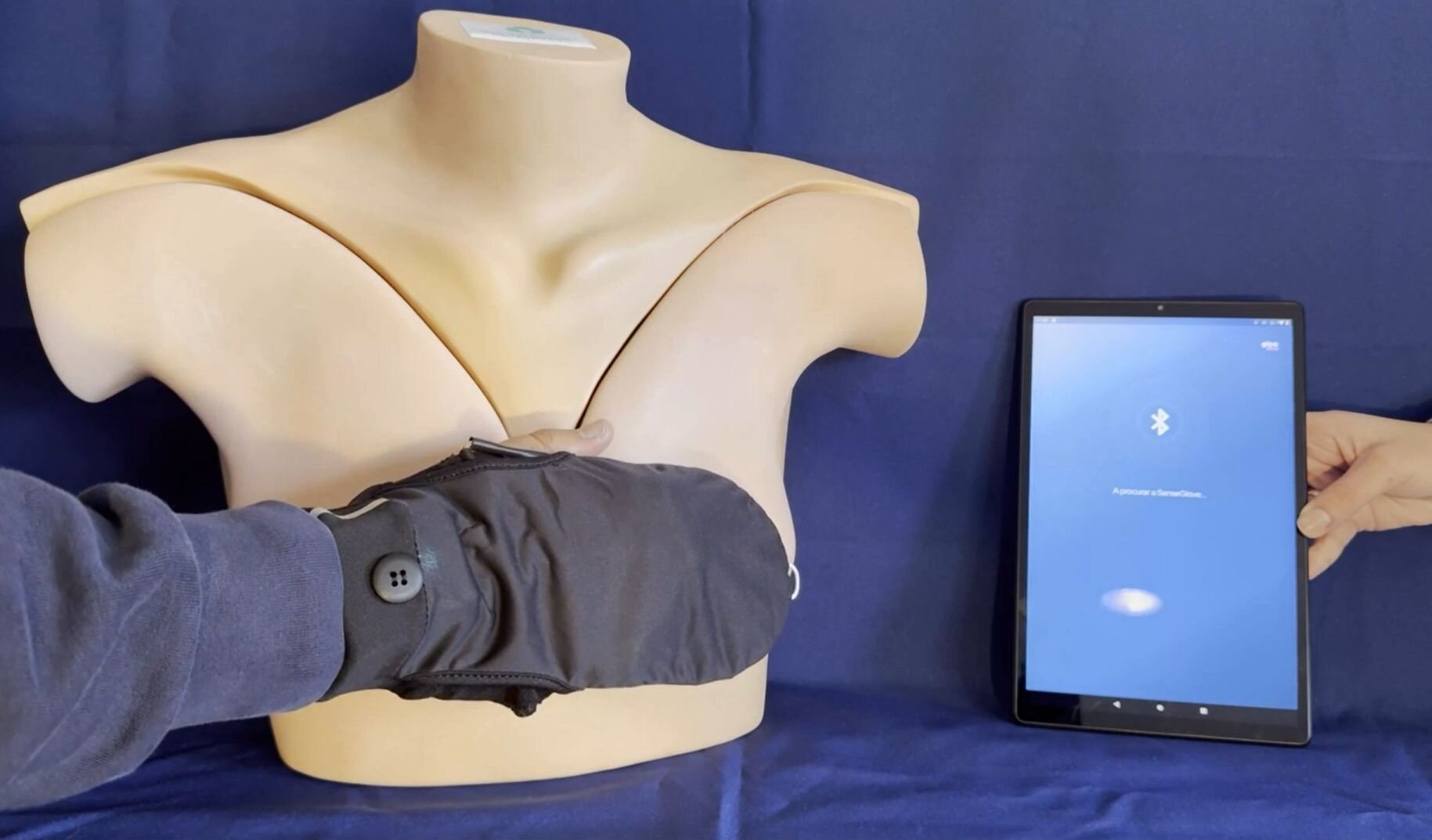
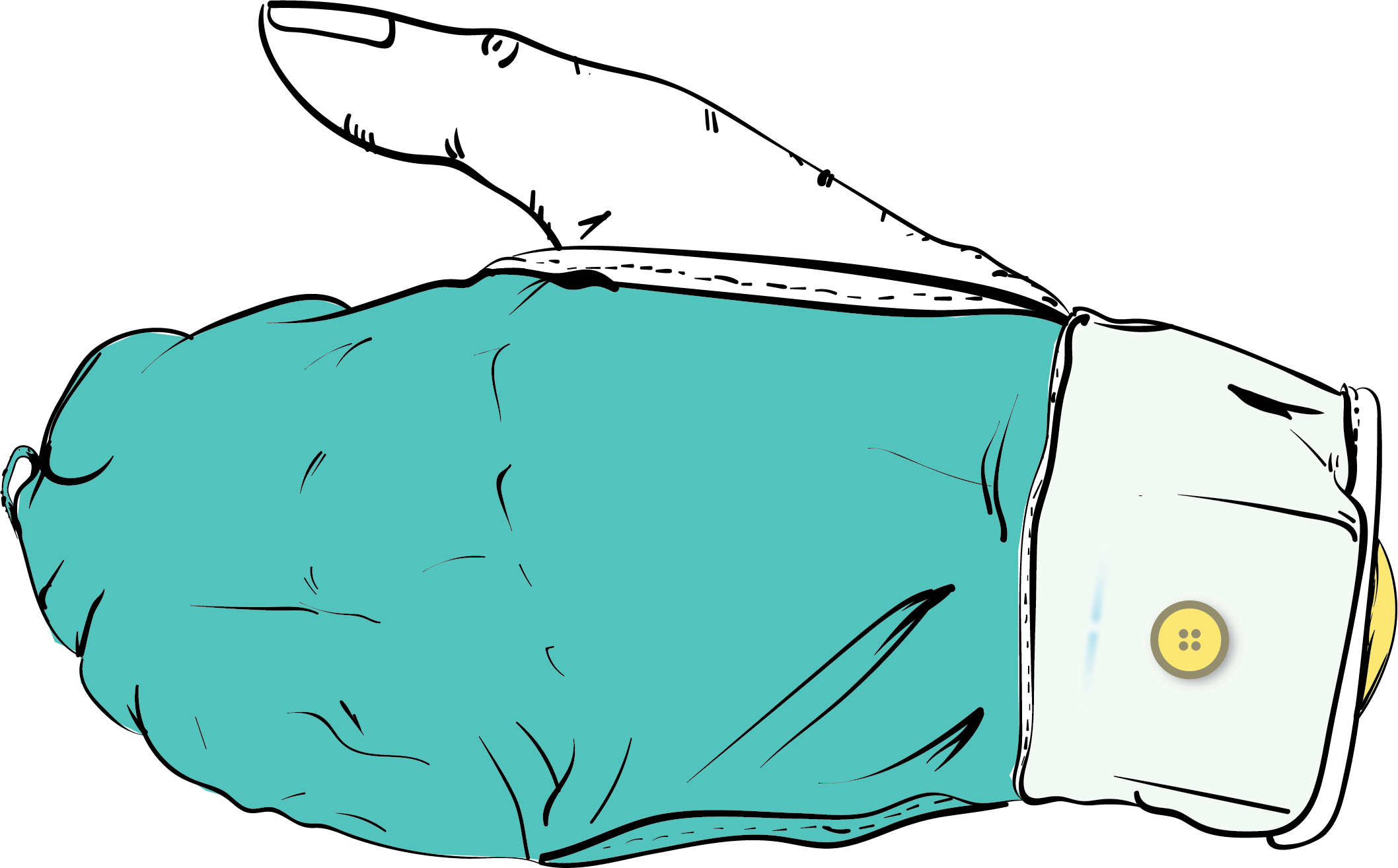
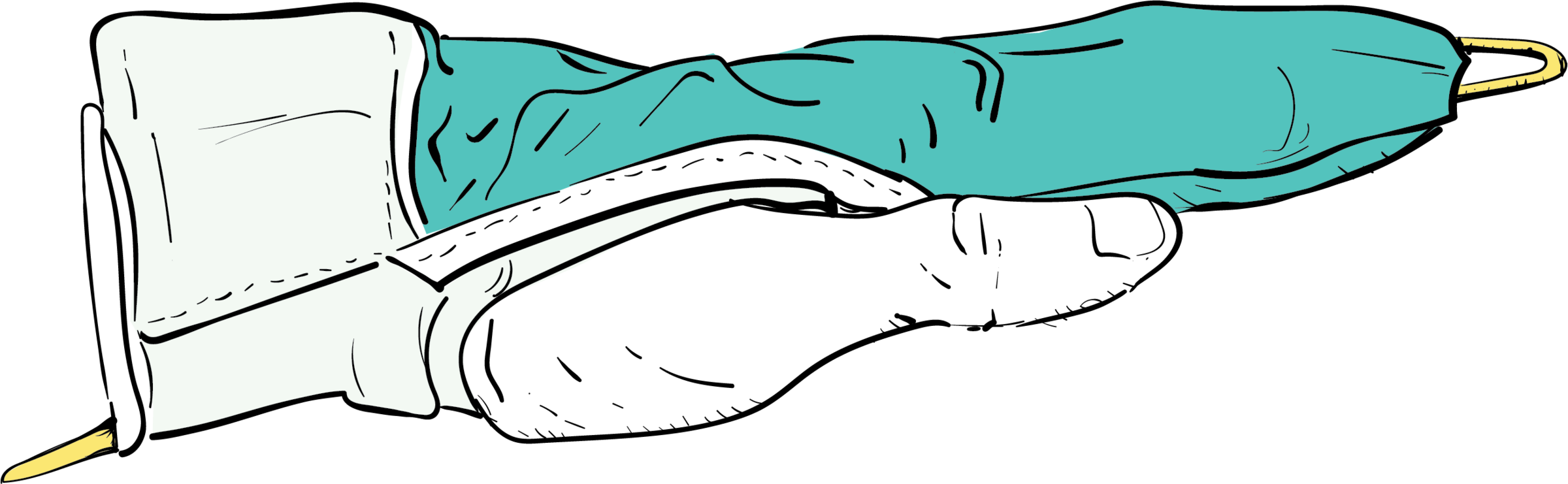
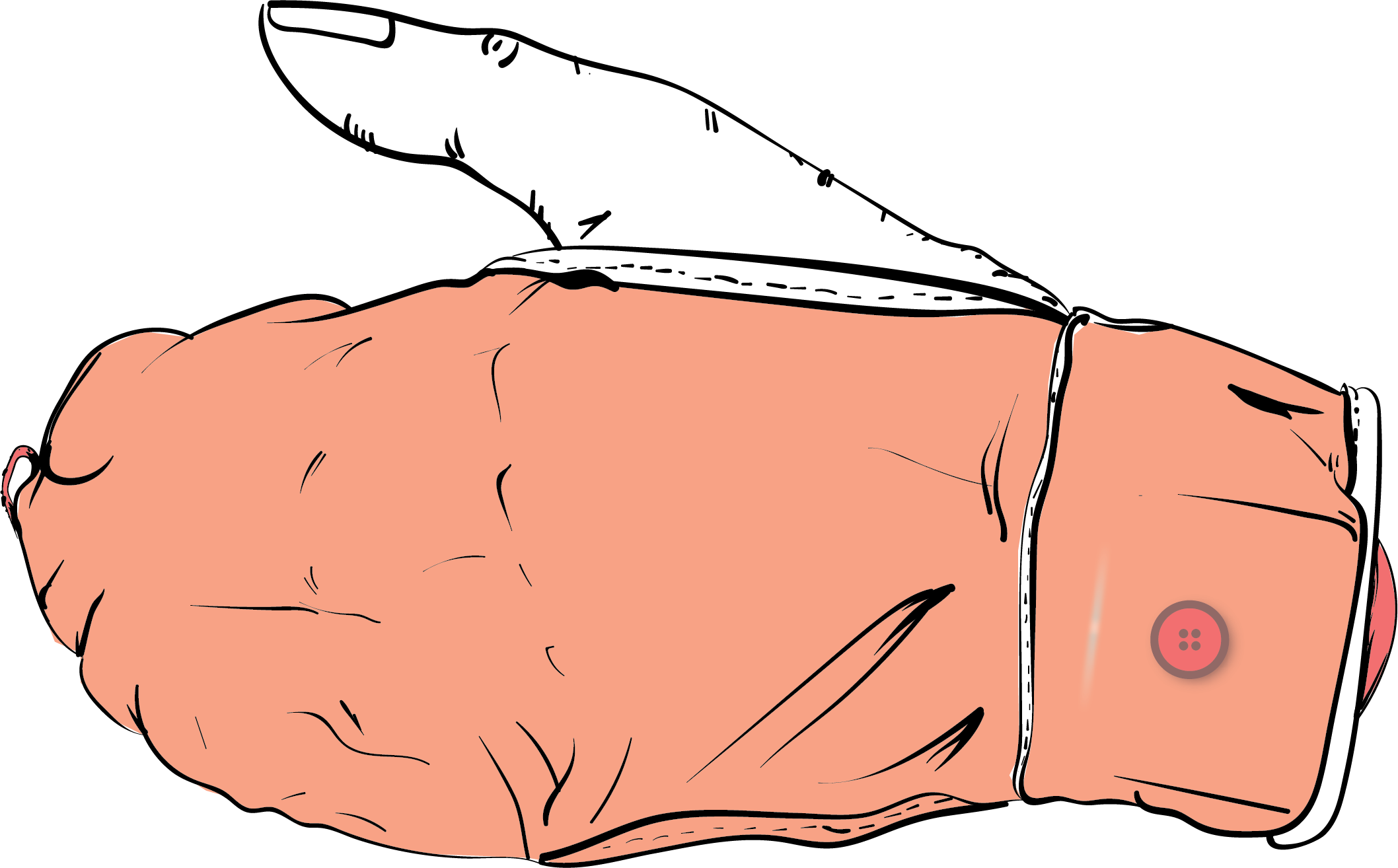
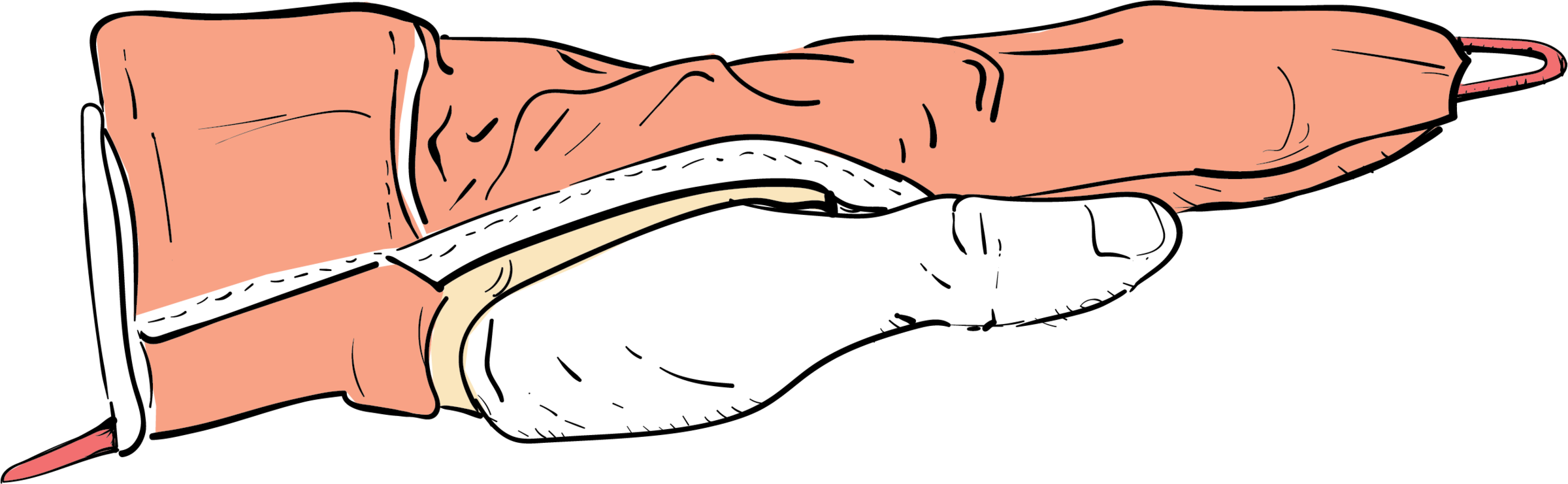
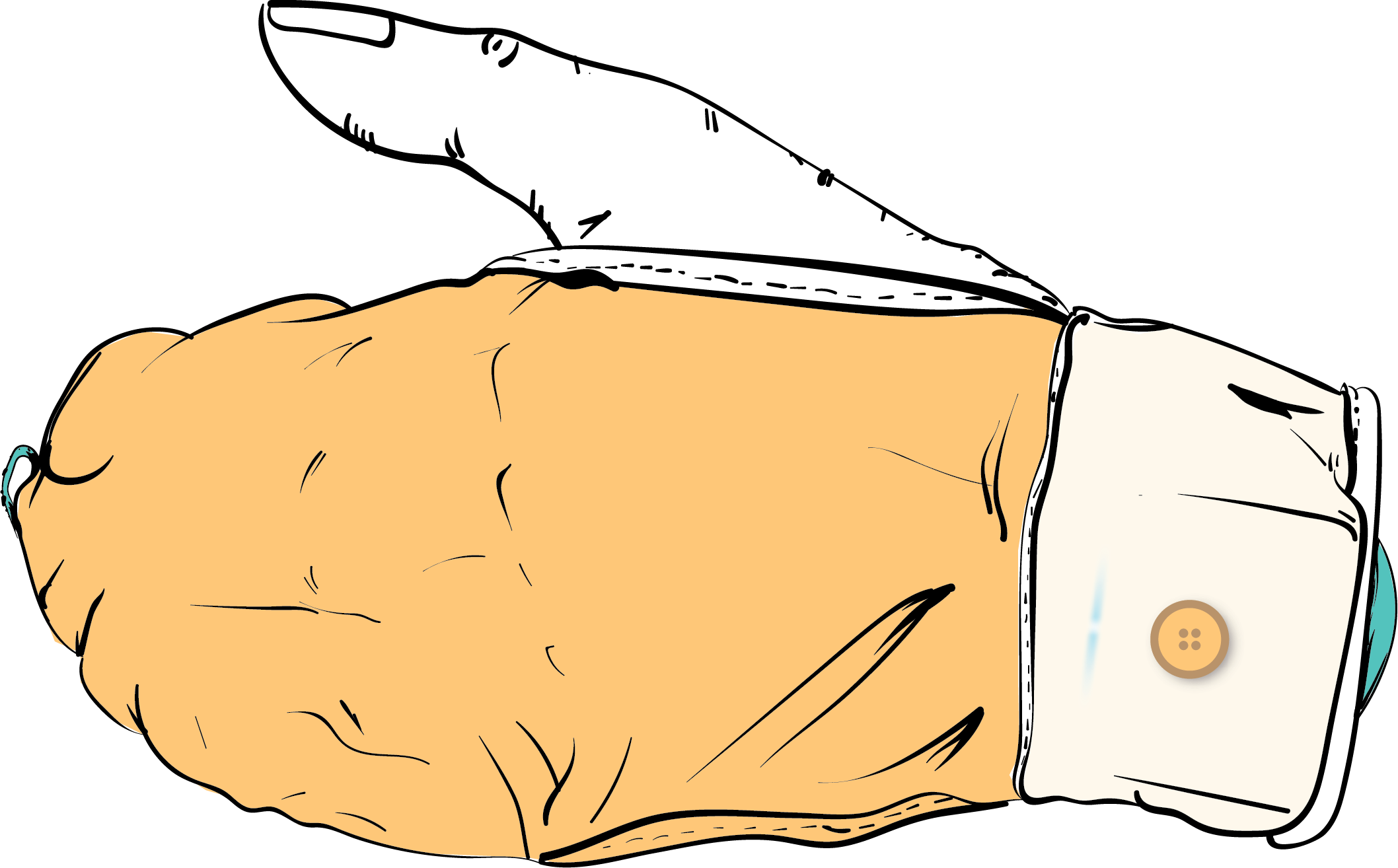
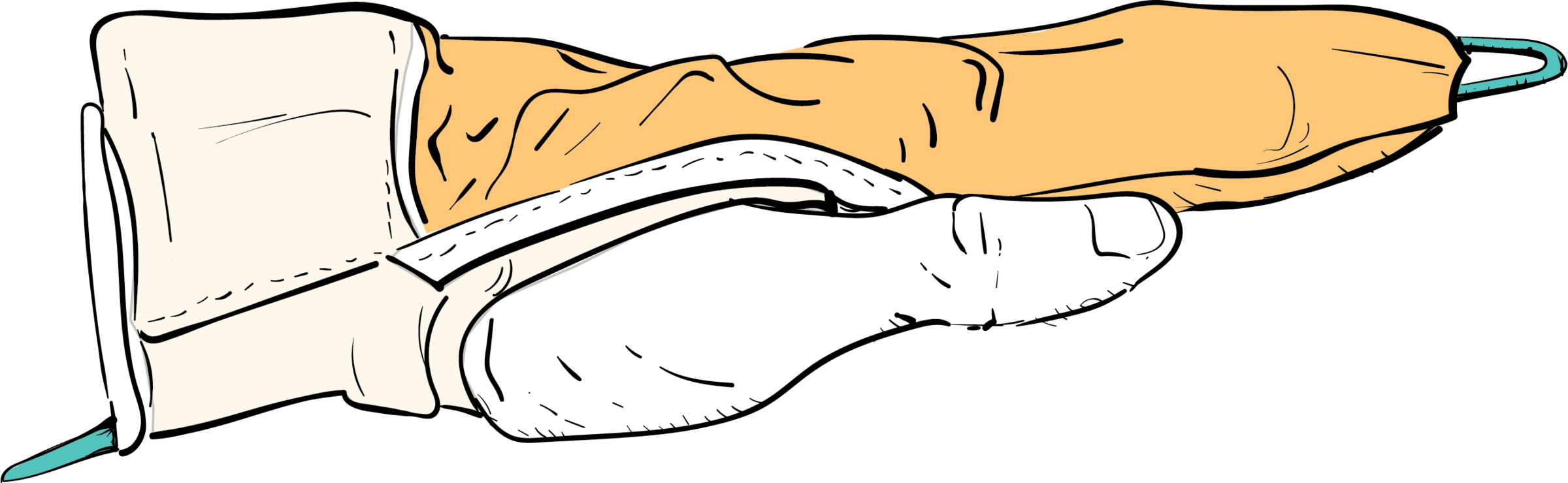
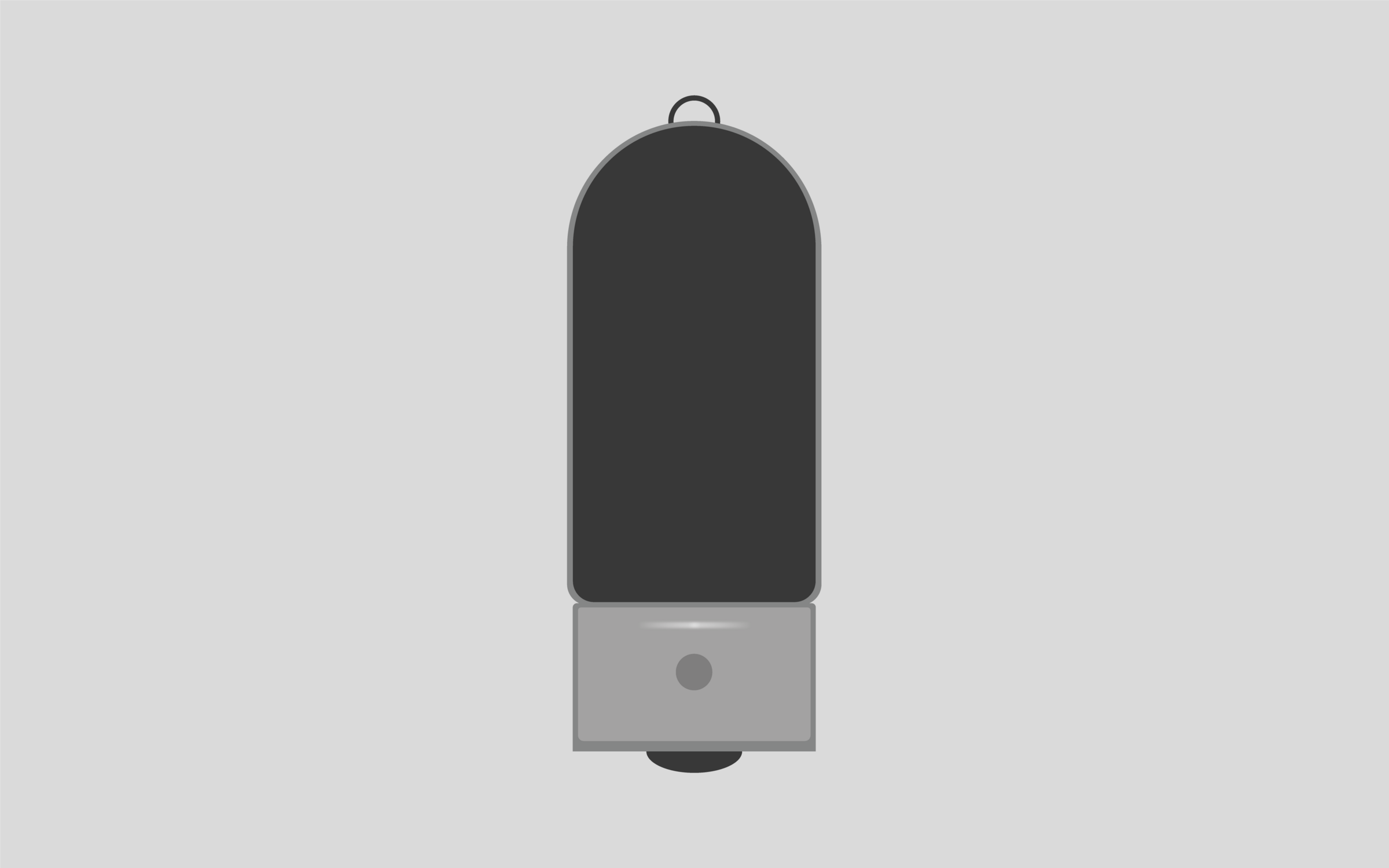
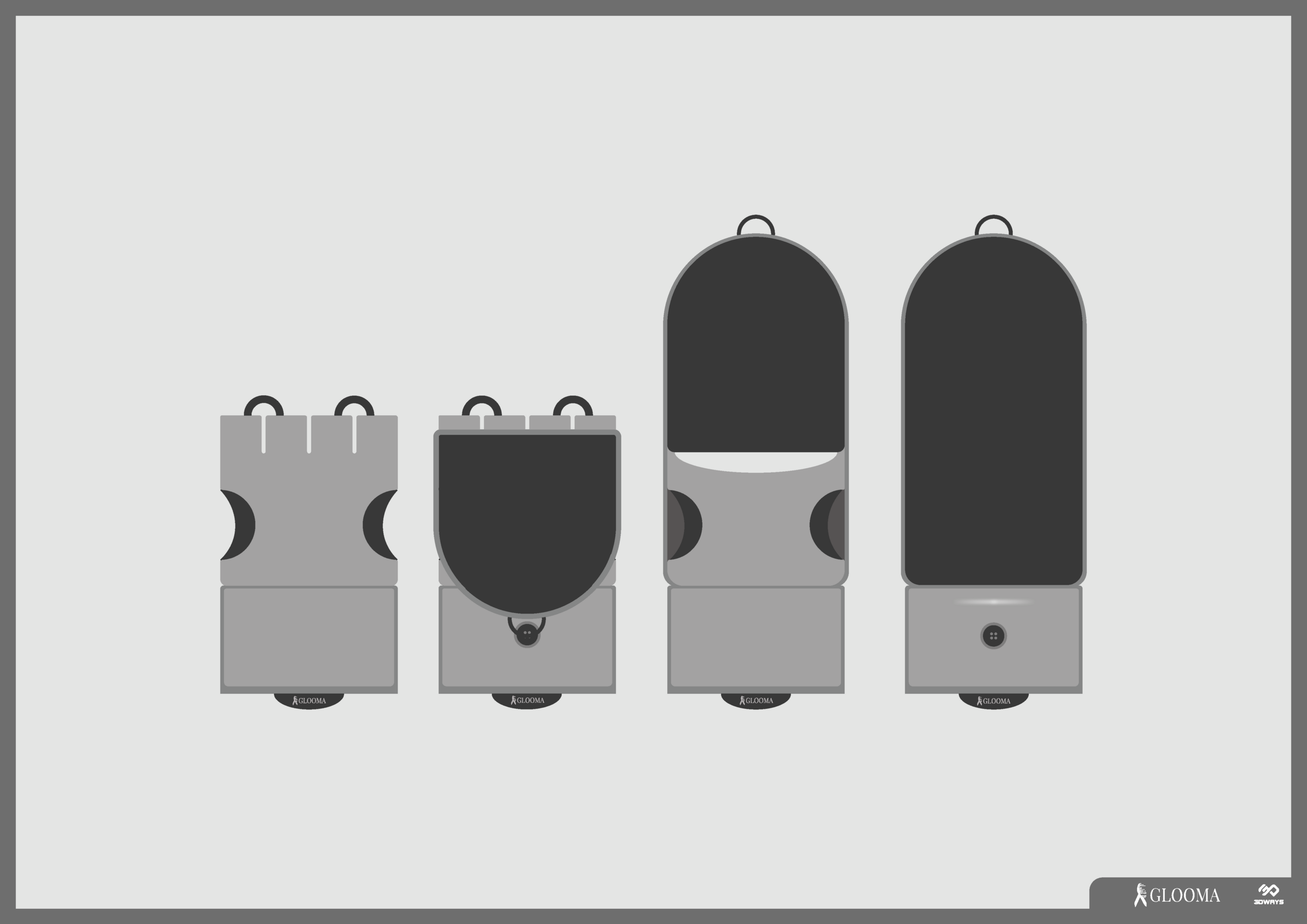
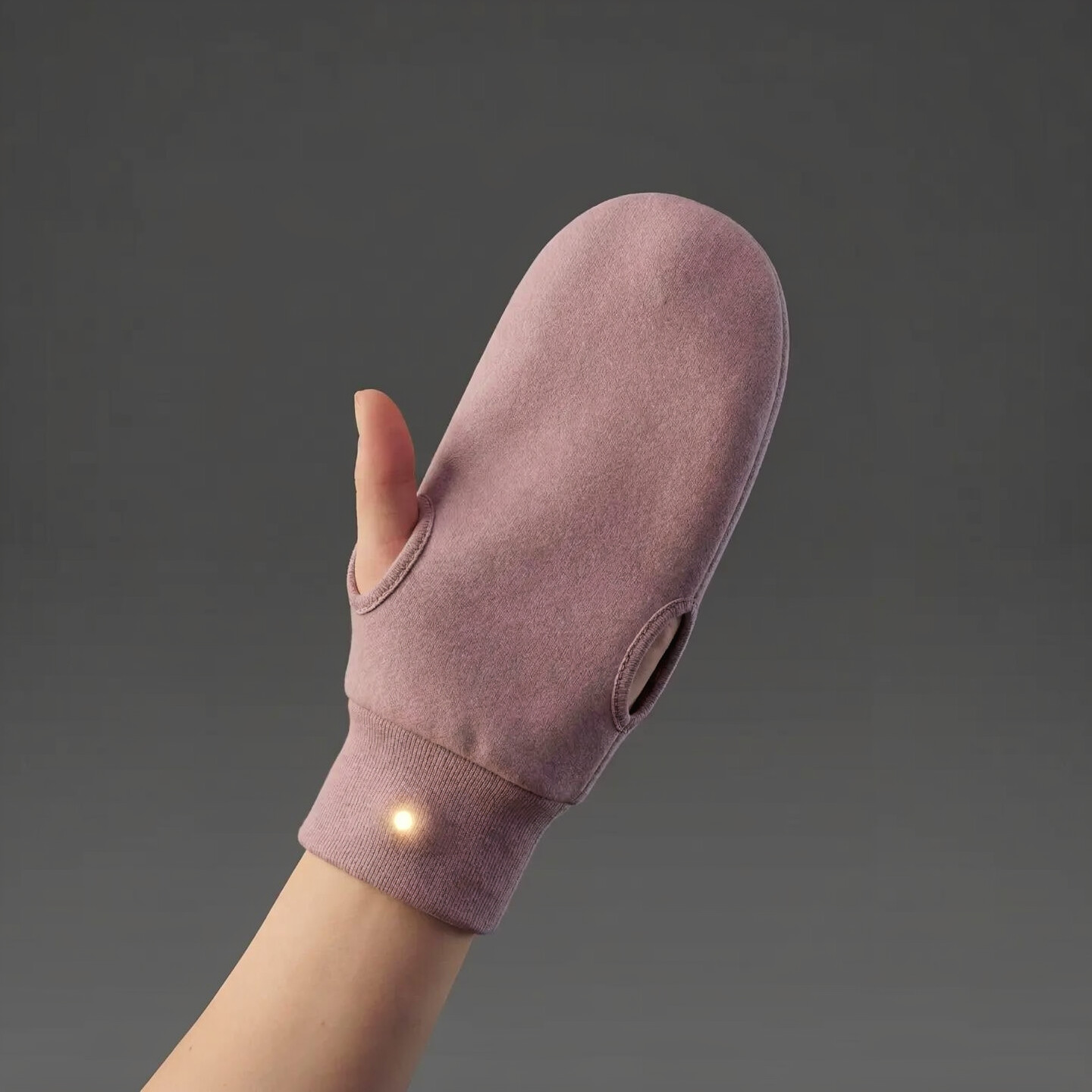
This project shows how a hardware partner can carry a health technology from the lab to a product without taking over the parts that belong to the client. CleoCare kept its technology, its clinical work and its relationship with users. FullCycle supplied the product development process, the prototyping capacity and the manufacturing knowledge to turn that technology into something people can wear.
Details of the sensing technology and of the solutions evaluated during development are confidential.


